
An izakaya is far more than just a place to eat and drink; it represents a quintessential Japanese cultural experience. Often described as a Japanese gastropub or tapas bar, izakayas are informal, lively, and affordably priced establishments, akin to an Irish pub or a Spanish tapas bar, making them a popular choice for after-work gatherings and social events. The ambiance is typically vibrant and carefree, filled with cheerful chatter and laughter, providing a unique cultural space where individuals can momentarily escape the routines of daily life. These establishments are deeply rooted in Japanese daily life, serving as beloved social hubs where people can relax, connect across generations, and deepen their social connections. The inherent social function of an izakaya means it is not typically suited for a quiet, romantic dinner , but rather an environment to embrace communal energy, share food, and engage freely with companions. This understanding is paramount for a beginner, as it shifts the visitor’s expectation from a purely culinary experience to a profound cultural immersion.
2. What Exactly is an Izakaya?
Definition: More Than Just a Pub – A Japanese Gastropub, Tapas Bar, and Social Hub
At its core, an izakaya is a Japanese pub that primarily offers an alcohol-centered menu alongside a variety of food, all at reasonable prices. The very term “izakaya” originates from “itsuzukete nomu,” meaning “to continue drinking,” reflecting its historical evolution from standing sake shops that gradually began offering simple snacks to accompany the drinks. This historical context underscores the fundamental purpose of izakayas as places for sustained social engagement over drinks and shared bites.
Cultural Significance: “Nominication,” Relaxation, Deepening Social Connections
Izakayas are profoundly significant in Japanese society, cherished as social spaces where people can truly relax and speak openly. This environment fosters a unique cultural phenomenon known as “nominication,” a coined term combining “nomu” (drinking) and “communication”. Through nominication, individuals can share their true feelings, which might otherwise be difficult to express in more formal settings, thereby easing tension and building trust. This ability to transcend typical boundaries between bosses, coworkers, and friends makes izakayas vital for relationship development and for unwinding after a demanding day. The prevalence of nominication highlights that izakayas serve a critical role in Japanese society, providing an environment where social barriers can be lowered through shared drinks and conversation. This function explains why these establishments are so deeply integrated into daily life for unwinding and strengthening bonds.
Ambiance: Lively, Carefree, Cheerful Chatter, a Momentary Escape
The atmosphere within an izakaya is characterized by a lively, carefree ambiance filled with cheerful chatter, laughter, and casual conversations. This moderate liveliness is not incidental background noise; it actively contributes to relieving daily stress and offers a sense of comfort to many patrons. The vibrant setting provides a temporary escape from daily routines, making it a dynamic social space rather than a quiet dining spot.
Types of Izakayas: From Traditional Akachōchin to Modern Chains and Tachinomi (Standing Bars)
The izakaya landscape is diverse, catering to various preferences and budgets:
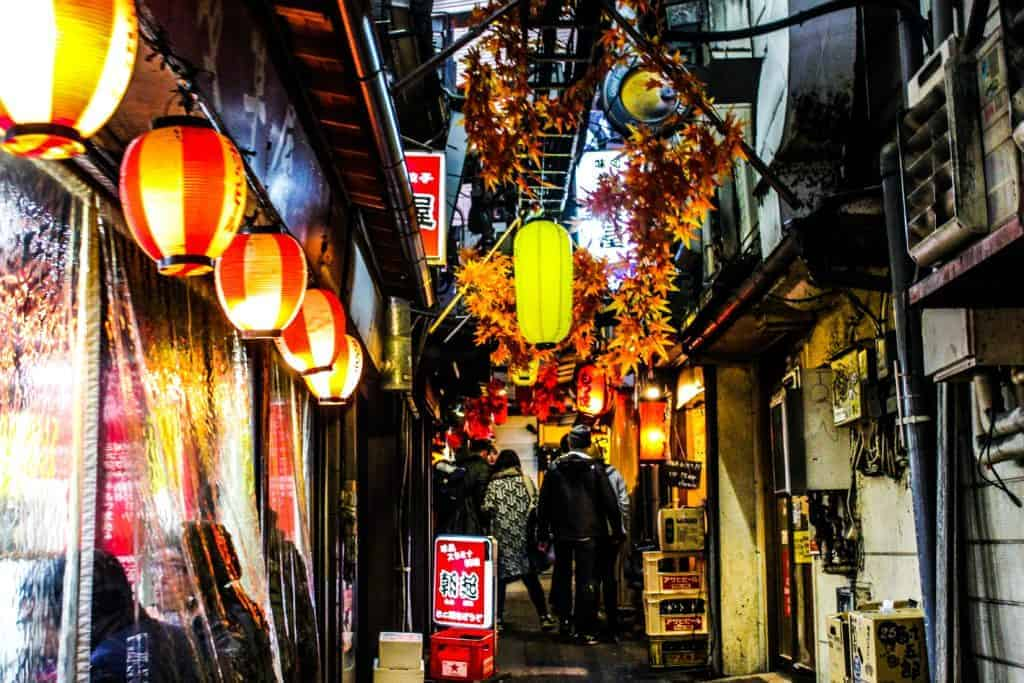
- Traditional Akachōchin: These smaller, non-chain establishments are often recognizable by the red paper lanterns (akachōchin) traditionally displayed outside.
- Chain Izakayas: Large and often bustling, these chains offer extensive selections of food and drink, capable of hosting sizeable, sometimes boisterous, parties. Popular examples include Watami, Shoya, Shirokiya, Tsubohachi, and Murasaki. Torikizoku, for instance, is renowned for its affordable and delicious menu, where every dish and drink is priced at a uniform 300 yen.
- Tachinomi (Standing Bars): Literally translating to “standing drink,” these are typically the most budget-friendly option, with drinks often priced around 300-400 yen.
- Upscale/Trendy Izakayas: These establishments cater to a more diverse clientele, offering sophisticated interiors, a wider range of cocktails and wines, and sometimes private rooms. They are frequently chosen for special occasions or business meetings due to their refined atmosphere and attentive service.
Sights and Sounds
The visual and auditory experience is an integral part of the izakaya visit. Patrons can expect a vibrant environment filled with the sounds of lively conversation, the clinking of glasses, and the enticing sizzle of food being prepared, often from open kitchens. Visually, izakayas can vary significantly in their layout, from compact spaces with counter seating to Western-style tables or low tables on tatami mats, where guests may be asked to remove their shoes.
Iconic alleyways, known as yokocho, such as Shinjuku’s Omoide Yokocho, epitomize the traditional izakaya aesthetic. These narrow streets are lined with red lanterns and noren (cloth drapes) marking the entrances, creating a cozy atmosphere where patrons sit shoulder to shoulder. The multi-sensory experience of an izakaya, from the sounds of lively conversation to the aroma of grilled food, is not merely incidental background; it is an active ingredient in facilitating social bonding and relaxation. This environment is designed to encourage interaction, where the collective energy contributes to the overall enjoyment and helps individuals unwind. Understanding this holistic sensory experience helps visitors appreciate the izakaya beyond its culinary offerings, recognizing it as a complete cultural immersion where the environment itself plays a crucial role in the social ritual.
3. Navigating the Menu: Drinks and Dishes
Izakayas are celebrated for their diverse menus, offering a wide array of both alcoholic and non-alcoholic beverages, alongside a tempting selection of Japanese and sometimes international dishes. Food items are typically served as they are prepared, meaning dishes may arrive at different times rather than in a structured course order.
Typical Izakaya Drinks
The drink menu at an izakaya is extensive, designed to complement the food and the convivial atmosphere:
- Beer: Ice-cold Japanese beer is a staple, often served on draft (nama) or in bottles, sometimes in frosted glasses. Many patrons begin their izakaya experience with a refreshing beer before ordering food. It is worth noting that craft beer is generally not found unless the establishment specializes in it.
- Sake (Nihonshu): Japanese sake is a popular choice, available in numerous varieties and served either hot or cold. It can be ordered by the glass or in a decanter style for sharing among a group.
- Shochu & Chu-hi: Shochu is a distilled liquor made from ingredients like potato, wheat, or rice. A popular mixed drink is chu-hi (shochu highball), which combines shochu with soda water and a fruit sweetener such as lemon, lime, or grape. Highballs (whiskey soda) and sours (shochu and soda with fruit flavoring) are also common.
- Umeshu: This sweet plum wine is a delightful option, often enjoyed on the rocks or mixed with soda.
- Non-alcoholic options: For those who prefer not to drink alcohol, izakayas offer a selection of soft drinks, including oolong tea, melon soda (a favorite among Japanese children), and various juices.
Table 1: Typical Izakaya Drinks & Pairings
| Drink Name | Description | Common Pairings |
| Japanese Beer | Ice-cold, often draft (nama), served in glasses or bottles. | Fried foods (Karaage, Tempura), Yakitori, Edamame |
| Sake (Nihonshu) | Japanese rice wine, served hot or cold, many varieties. | Grilled foods, Fish (Sashimi, Yaki Sakana) |
| Shochu & Chu-hi | Shochu (distilled liquor) mixed with soda and fruit (Chu-hi) or whiskey (Highball). | Versatile, pairs well with most izakaya dishes |
| Umeshu | Sweet plum wine. | Often enjoyed on its own or with lighter snacks |
| Oolong Tea | Calming, non-alcoholic tea. | Any food, especially after richer dishes |
Export to Sheets
Must-Try Dishes
Izakaya menus are designed for sharing, with portions typically smaller and more affordable than main courses, encouraging patrons to sample a wide variety of flavors. The recommended approach is to order a few dishes at a time (e.g., 1-3) and gradually add more as the evening progresses, rather than ordering everything at once.
Table 2: Must-Try Izakaya Dishes & Descriptions
| Dish Name | Brief Description | Why it’s Popular / Pairs Well |
| Yakitori | Skewered and grilled chicken (various parts), also vegetables/other meats. | Smoky flavor, tender meat, simple, satisfying. Excellent with beer. |
| Sashimi | Thinly sliced raw fish or seafood. | Subtle flavors, delicate textures, refreshing. Best with sake. Can be a light starter. |
| Edamame | Young soybeans, boiled in pods and lightly salted. | Healthy, addictive, versatile snack. Ubiquitous starter, pairs well with beer. |
| Gyoza | Japanese dumplings, typically filled with ground meat and vegetables. | Savory taste, satisfying texture. Enjoyed as snack or meal, pairs with any drink. |
| Tempura | Battered and deep-fried seafood or vegetables. | Light, crispy coating, tender interior. Versatile as appetizer or side. Pairs with beer or sake. |
| Karaage | Japanese fried chicken, can also include fried squid or octopus. | Delicious, comforting. Goes best with beer. |
| Tsukemono | Lightly vinegared Japanese pickles (various vegetables). | Refreshing, great palate cleanser. Good starter. |
| Yaki Sakana | Grilled fish, often seasonal. | Simple, flavorful. Pairs very well with sake. |
| Tamagoyaki | Rolled egg flavored with dashi (soup stock). | Comforting, filling but not heavy. |
| Nabe | Hot pot dish, cooked at the table and served directly from the pot. | Warming, communal dish, popular in colder months. |
Traditionally, Japanese patrons do not consume rice or noodle dishes (considered “staple foods” or shushoku) simultaneously with alcohol, as sake, brewed from rice, traditionally takes the place of rice in a meal. Instead, many choose to conclude their drinking session with a carbohydrate-based dish, known as
shime (〆), such as ramen, yakisoba, or other noodle or rice dishes. This practice is believed to help replenish sugars in the body after alcohol consumption.
4. Understanding the Izakaya System
The Otoshi (Seating Charge)
Upon being seated at an izakaya, patrons are typically served a small, unrequested appetizer known as otoshi. This dish can vary widely, often consisting of pickled or simmered vegetables, a small portion of tofu, or a morsel of meat or fish. It functions as a “welcome snack” while waiting for main orders.
The existence of the otoshi is rooted in Japan’s unique dining culture, which famously has no tipping system. Instead, the
otoshi serves as a substitute for a service charge or table charge, allowing the restaurant to cover operational costs. Due to its small portion and simple ingredients, the cost to prepare it is negligible, making the charge almost entirely profit for the establishment. It also provides a glimpse into the restaurant’s culinary style and helps keep customers engaged while their main dishes are being prepared. The
otoshi is typically non-optional; refusing it is generally considered impolite and often not possible. The cost usually ranges from a few hundred yen to around 1,000 yen per person, with 300-600 yen being common. The practice of serving an
otoshi, an unrequested appetizer that is nonetheless charged, reveals a fundamental difference in Japanese hospitality compared to many Western norms. In Japan, service quality is an inherent expectation, not an optional gratuity. The otoshi serves as a discreet, culturally accepted mechanism to cover operational costs without resorting to explicit service charges or tipping, which are not part of the local dining culture. This system relies on an implicit understanding between the establishment and the patron. For visitors, recognizing this cultural framework is essential; attempting to refuse the otoshi would be seen as a breach of this implicit agreement and could lead to awkwardness, rather than being a savvy consumer move. Accepting it is part of embracing the local dining experience.
The 2-Hour Time Limit
Many izakayas, particularly during crowded periods like weekends, or when offering all-you-can-drink (nomihōdai) or all-you-can-eat (tabehōdai) plans, enforce a time limit on how long customers can stay. This duration is typically between 90 to 120 minutes (1.5 to 2 hours), though some may extend to 3 hours. Staff will usually announce “last order” approximately 30 minutes before the time limit expires. The enforcement of time limits, particularly during peak hours or for all-you-can-eat/drink plans, is a practical business strategy aimed at optimizing table turnover and maximizing revenue in high-demand urban dining environments. This operational necessity is smoothly managed through practices like the “last order” announcement, which allows for an orderly transition of patrons. The general acceptance of such limits by Japanese customers reflects a broader cultural value placed on efficiency and orderliness in public spaces. For visitors, understanding this means pacing one’s dining and drinking to fully enjoy the experience within the allotted time, rather than expecting to linger indefinitely. It emphasizes the dynamic nature of izakayas as bustling social hubs designed for efficient enjoyment.
Nomihōdai (All-You-Can-Drink)
Nomihōdai, meaning “all you can drink,” is a popular option where patrons pay a predetermined, fixed amount for unlimited beverages from a designated menu for a set period, typically 90 to 120 minutes. This often includes popular draft beers, various mixers, and other alcoholic drinks. It is generally considered an excellent value, especially for those planning to consume multiple drinks, as it helps avoid the higher per-drink prices found in some clubs and bars. Prices for
nomihōdai typically start around 2,000 yen for 90-120 minutes, with mid-range izakayas often charging 2,000-3,000 yen per person for two hours. In areas like Shibuya or Shinjuku, prices can go up to 3,000 yen for a few hours.
Key rules for nomihōdai include:
- All members of a party are usually required to participate and pay for the nomihōdai plan.
- It is considered impolite to order more drinks than one can consume; ideally, a drink should be finished before ordering the next.
- Standard Japanese drinking etiquette still applies even within a nomihōdai setting.
Tabehōdai (All-You-Can-Eat)
Tabehōdai, or “all you can eat,” allows diners to enjoy an unlimited quantity of food from a specific menu for a fixed price and within a set time limit, typically ranging from 1 to 3 hours. This option provides a fantastic opportunity to sample a wide variety of dishes. Prices for
tabehōdai can range from 1,500 to 5,000 yen, depending on the establishment’s quality and the menu’s diversity. Combined all-you-can-eat-and-drink courses may be offered, for example, around 3,380 yen for 2.5 hours.
Important rules for tabehōdai include:
- Last orders are usually taken 30 minutes before the end of the time limit.
- A fee may be charged for any leftover food or drinks to discourage waste.
- Takeout of tabehōdai items is generally prohibited.
Table 3: Nomihōdai & Tabehōdai at a Glance
| Feature | Concept | Typical Pricing (per person) | Time Limits | Key Rules/Considerations |
| Nomihōdai (All-You-Can-Drink) | Unlimited drinks from a set menu for a fixed price. | 2,000 – 3,000 JPY | 90 – 120 minutes (up to 3 hours) | All party members must participate; finish drinks before reordering; standard etiquette applies. |
| Tabehōdai (All-You-Can-Eat) | Unlimited food from a set menu for a fixed price. | 1,500 – 5,000 JPY | 1 – 3 hours | Last orders 30 mins before end; fee for leftovers; no takeout. |
Food Ordering & “Courses”
Unlike many Western restaurants that follow a fixed course structure, izakayas offer a more flexible and spontaneous dining experience. Patrons are encouraged to order dishes gradually, based on their mood and appetite, rather than placing a single large order at the outset. Portions are typically smaller and more affordable, facilitating the sharing of various dishes among the group. To call staff for ordering or assistance, many izakayas provide a call button on the table. In more traditional establishments, it is customary to call out “Sumimasen!” (Excuse me!) or “Onegaishimasu!” (Can you please take my order?) or simply raise a hand. It is important to note that unlike some Western dining cultures, staff in Japan do not typically check on tables periodically, so patrons should proactively signal for service.
5. Izakaya Etiquette: Blending In Like a Local
Adhering to local customs enhances the izakaya experience and demonstrates respect for Japanese culture.
Drinking Customs
- “Kanpai!” (Cheers!) and Waiting for Everyone: The most common way to initiate drinking is with “Kanpai!”. It is customary to wait until everyone in the group has a drink and the “Kanpai!” toast has been declared before taking the first sip, especially in more formal settings or when dining with colleagues.
- Pouring for Others: In Japan, it is considered polite to pour drinks for others rather than filling one’s own glass. If a companion’s glass is getting empty, offering to refill it is a thoughtful gesture, and they will likely reciprocate. It is also courteous to ensure one’s own glass is not full if someone else intends to pour for them, as this is seen as a missed opportunity for a polite exchange.
- Hierarchy at the Table: In formal contexts, such as work dinners, seating order and who is served first can be significant. Seniors or higher-ranking individuals are typically served before others.
- Holding the Glass with Two Hands: When receiving a drink from someone, particularly an elder or superior, it is a sign of respect to hold the glass with both hands.
- Refilling in Rounds: Drinking at izakayas is often done in rounds. Once everyone’s glass is empty, someone will typically initiate pouring the next round, maintaining a collective pace for the evening.
The specific drinking customs, such as waiting for “Kanpai!” before the first sip, pouring drinks for others, and acknowledging hierarchy, are deeply rooted in Japanese cultural values of group harmony (wa) and mutual respect (sonkei). These practices are not mere formalities but active ways to foster a collective experience, ensuring that no individual is excluded or feels slighted. The act of pouring for others, for instance, creates a reciprocal bond and reinforces the sense of shared enjoyment, which is central to the “nominication” culture. For visitors, adhering to these seemingly small gestures is a powerful demonstration of cultural sensitivity and can significantly enhance their ability to connect with locals and fully immerse themselves in the social dynamic of the izakaya. Ignoring these norms might inadvertently convey a lack of consideration, potentially hindering the very social connections that izakayas are designed to facilitate.
General Dining Manners
- Using Serving Chopsticks (Toribashi): When taking food from shared plates, it is good manners to use a separate set of serving chopsticks (toribashi) rather than one’s personal chopsticks.
- Shoe Lockers: At some izakayas, particularly those with tatami seating, patrons are required to remove their shoes at the entrance or near their table and place them in designated shoe lockers or cabinets.
- Calling Staff: As mentioned, many izakayas have a call button on the table. If not, it is customary to call out “Sumimasen!” (Excuse me!) or “Onegaishimasu!” (Please, or Can you take my order?) or simply raise a hand to get the staff’s attention.
- Toilet Etiquette: Toilets in izakayas often have specific slippers provided for use only inside the washroom. It is crucial not to remove these slippers from the washroom area.
- Oshibori: Upon seating, a moist refreshment towel, called an oshibori, is provided. This is for cleaning hands before or during the meal and is a unique aspect of Japanese hospitality, often provided warm in winter and cold in summer.
- Chopstick Etiquette: It is considered inappropriate to rub disposable wooden chopsticks together after splitting them.
- Don’t Rush: The izakaya atmosphere encourages relaxation and a leisurely pace. There is no need to rush through food or drinks; patrons are encouraged to go with the flow, chat, and enjoy the casual environment.
Smoking Rules
Japan’s smoking regulations have evolved, but they differ significantly from many Western countries. While major cities like Tokyo and Osaka have implemented stricter rules, particularly in large chain restaurants and public buildings, many smaller, privately owned izakayas still permit indoor smoking. This leniency is partly due to Japan’s traditional view of smoking as a social activity and a desire to avoid negatively impacting the business of independent establishments.
To determine if an izakaya allows smoking, look for a cigarette symbol at the entrance, which indicates smoking is permitted. A no-smoking sign, conversely, means it is prohibited. Some venues may offer separate smoking and non-smoking areas, though the effectiveness of smoke separation can vary. Chain izakayas are generally more likely to have designated non-smoking areas or better ventilation. Japan’s approach to indoor smoking, particularly the exemptions for smaller izakayas, represents a notable divergence from stricter global norms. This policy is not arbitrary but is deeply intertwined with Japanese tradition and culture, where smoking has historically been viewed as an acceptable social activity, especially in relaxed, communal settings. Furthermore, the government’s consideration for the economic viability of independent small businesses plays a significant role in these exemptions. This situation highlights the importance of cultural adaptation for visitors; while many may prefer smoke-free environments, it is crucial to recognize that this preference may not align with local customs in all establishments. Visitors sensitive to smoke should proactively seek out chain izakayas or look for clear “no-smoking” signage to ensure a comfortable experience, rather than expecting universal smoking bans. This demonstrates the need for preparedness and cultural awareness when navigating diverse social environments abroad.
6. The Izakaya Experience: Sights and Sounds
The izakaya experience is a rich tapestry of sensory details that collectively define its unique charm. The atmosphere is consistently lively and carefree, characterized by a constant hum of cheerful chatter, laughter, and casual conversations, making it unsuitable for a quiet, romantic dinner. This moderate liveliness is a key component, actively contributing to stress relief and a sense of comfort for patrons.
Visually, izakayas often feature traditional elements such as red lanterns (akachōchin) and noren (cloth drapes) marking their entrances. Seating arrangements are diverse, ranging from standard Western-style tables and chairs to counter seats where diners can observe chefs at work, or low tables on tatami mats, which may require guests to remove their shoes. In
yokocho alleyways, izakayas are often compact, creating an intimate, shoulder-to-shoulder dining experience. Menus can vary from modern electronic tablets in larger chains to traditional, sometimes handwritten, Japanese-only menus in smaller establishments. The combined sounds of lively conversation, clinking glasses, and the enticing aromas and sizzle of grilled food, such as yakitori, create a distinct and immersive sensory environment. This multi-sensory environment is not merely background; it is an active ingredient in facilitating social bonding and relaxation. It is designed to encourage interaction, where the collective energy contributes to the overall enjoyment and helps individuals unwind. Understanding this holistic sensory experience helps visitors appreciate the izakaya beyond its culinary offerings, recognizing it as a complete cultural immersion where the environment itself plays a crucial role in the social ritual.
7. Settling Up: Paying the Bill
The process of paying the bill at an izakaya is generally straightforward, though it differs from Western norms. Izakayas commonly leave a running tab or a token at the table. This bill might be clipped to a clipboard, found in a slot under the table, hanging on a wall, or simply rolled up in a holder.
When ready to depart, patrons typically take their bill or token to the cash register located near the exit to settle the payment. In smaller or more traditional izakayas, the staff may keep the tab and tally the bill when requested. If the bill is not readily apparent, one can call a waiter by saying “o-kaikei onegaishimasu” (check, please!). It is important to remember that tipping is not customary in Japan, and attempting to do so may cause confusion or be seen as awkward. While Japan is increasingly becoming credit card-friendly, some smaller or more traditional establishments may still operate on a cash-only basis. It is advisable to check payment options beforehand to avoid any inconvenience. Additionally, it is common for the bill to be presented as a single total, and splitting the bill at the table is generally not practiced. The payment process at an izakaya, characterized by paying at a central cash register, the absence of tipping, and the typical presentation of a single bill, reflects a broader Japanese cultural emphasis on efficiency, clarity, and trust in commercial transactions. The lack of a tipping culture underscores the expectation that high-quality service is an inherent part of the dining experience, not something to be incentivized. This streamlined departure process, where patrons bring their bill to the register, avoids potential delays at the table and contributes to the overall smooth flow of the establishment. For visitors, understanding these norms means being prepared with cash, especially for smaller, more traditional venues, and recognizing that attempting to tip could be misconstrued. These practices are integral to the seamless and enjoyable social interaction that izakayas are designed to provide from arrival to departure.
8. Tokyo’s Top Izakaya Spots
Tokyo boasts an extensive and diverse izakaya scene, ranging from bustling alleyways filled with traditional pubs to modern, sophisticated establishments. Key areas renowned for their izakayas include Shinjuku, Shibuya, Yurakucho, Ebisu, Nakano, Ginza, Akasaka, and Meguro.
For an authentic experience, exploring yokocho (alleyways) is highly recommended. These narrow streets are densely packed with izakayas and bars, offering a less polished, more local taste of Tokyo and opportunities to interact with residents. Entrances to these establishments are often marked by iconic red or white lanterns and
noren. Notable
yokocho include Omoide Yokocho in Shinjuku and Ebisu Yokocho in Shibuya.
The izakaya landscape includes both popular chains and unique independent establishments, each with its own character:
- Chains:
- Torikizoku: Known for its affordability, with every dish and drink priced at 300 yen.
- Isomaru Suisan: A major seafood izakaya chain where patrons can grill fresh seafood and kani miso kara (crab miso in shell) directly at their table.
- Independent/Unique Establishments:
- Kishidaya (Tsukishima): Revered as an “Old School Izakaya,” this long-standing and iconic establishment transports visitors back in time. Its signature dish is gyu-nikomi (beef stew), celebrated as one of Tokyo’s finest, made with various cuts of fresh beef offal simmered slowly to achieve deep, clean umami flavors.
- Maguro Mart (Nakano): Known as the “Tuna Izakaya,” it specializes in diverse tuna preparations. A unique offering is its “maguro sake,” a nihonshu infused with tuna dashi, creating a distinctive hybrid beverage.
- Sowado (Shibuya/Hiroo): Dubbed the “Comfy Izakaya,” Sowado is praised for its sophisticated atmosphere, refined cuisine, and overall comfortable ambiance.
- ICHIHA (Nihombashi Muromachi): A serene Japanese-modern restaurant offering a broad menu, including the popular Miso Motsu-nikomi (tripe stew) and original fresh fruit sours. Its artisan-crafted walls and wooden counters create an inviting setting.
- Honda Akasaka Branch (Akasaka): This establishment provides a relaxing, intimate hideaway with a chic black design. It prides itself on creative Japanese cuisine, seasonal ingredients, and an extensive selection of over 100 varieties of sake, with private rooms available for seclusion.
- Meguro Soregashi (Meguro): A chic izakaya designed for adults, featuring a stylish gray and beige interior ideal for quiet drinks. Its menu highlights charcoal-grilled dishes, including the flavorful Tankai Jidori Chicken from Shiga, paired with Japanese sake or natural wines.
- Juban Shuraba (Azabu-juban): Offers a reasonably priced teppanyaki experience in a spacious, casual Japanese-style setting. Highlights include fresh oysters and seafood sourced from Toyosu Market, with an “Omakase Course” also available.
- Robata Izakaya Jomon: Specializes in robatayaki, a style of fireside cooking where chefs grill seafood and vegetables in front of patrons.
- Uoshin Nogizaka: A seafood izakaya known for its down-to-earth atmosphere.
- Gonpachi Nishi-Azabu: Gained international recognition for its appearance in Quentin Tarantino’s film “Kill Bill”.
Table 4: Noteworthy Tokyo Izakayas & Their Unique Features
| Izakaya Name | General Location/Area | Key Unique Feature/Specialty | Vibe/Atmosphere |
| Kishidaya | Tsukishima | “Old School Izakaya,” iconic gyu-nikomi (beef stew) | Traditional, time-capsule feel, local favorite |
| Maguro Mart | Nakano | “Tuna Izakaya,” various tuna preparations, maguro sake | Specializes in tuna, casual |
| Sowado | Shibuya/Hiroo | “Comfy Izakaya,” refined food, pioneer of upscale izakaya trend | Sophisticated, comfortable, well-executed |
| ICHIHA | Nihombashi Muromachi | Japanese-modern, Miso Motsu-nikomi, fresh fruit sours | Serene, artisan-crafted walls, suitable for dates/solo |
| Honda Akasaka Branch | Akasaka | Creative Japanese cuisine, 100+ sake varieties, private rooms | Relaxing, intimate hideaway, chic black design |
| Meguro Soregashi | Meguro | Chic izakaya for adults, charcoal-grilled Tankai Jidori Chicken | Stylish, ideal for quiet drinks, refined |
| Juban Shuraba | Azabu-juban | Reasonably priced teppanyaki, fresh oysters, “Omakase Course” | Spacious, casual Japanese-style, memorable dining |
| Robata Izakaya Jomon | Tokyo | Specializes in robatayaki (fireside cooking) | Interactive, fresh ingredients grilled in front of patrons |
| Uoshin Nogizaka | Tokyo | Seafood izakaya | Down-to-earth |
| Gonpachi Nishi-Azabu | Tokyo | Famous for “Kill Bill” movie appearance | Renowned, distinct atmosphere |
9. Conclusion: Embrace the Izakaya Spirit
The Japanese izakaya offers a unique and enriching cultural experience that extends far beyond mere dining. These vibrant establishments serve as crucial social spaces where individuals can connect, unwind, and engage in authentic “nominication,” fostering deeper relationships and providing a vital escape from daily pressures. With their lively ambiance, diverse menus of comforting, shareable dishes, and a wide array of beverages, izakayas truly embody the spirit of Japanese conviviality.
For a beginner, navigating the nuances of izakaya culture—from understanding the otoshi seating charge to adhering to drinking etiquette and respecting time limits—can initially seem complex. However, these practices are deeply rooted in Japanese values of harmony, respect, and efficiency, contributing to the overall seamless and enjoyable experience. By approaching an izakaya visit with an open mind and an awareness of these customs, visitors are well-equipped to confidently immerse themselves in this quintessential aspect of Japanese social life. Embracing the izakaya spirit means relaxing, going with the flow, and allowing oneself to be part of the cheerful chatter and shared moments that define these beloved Japanese taverns.