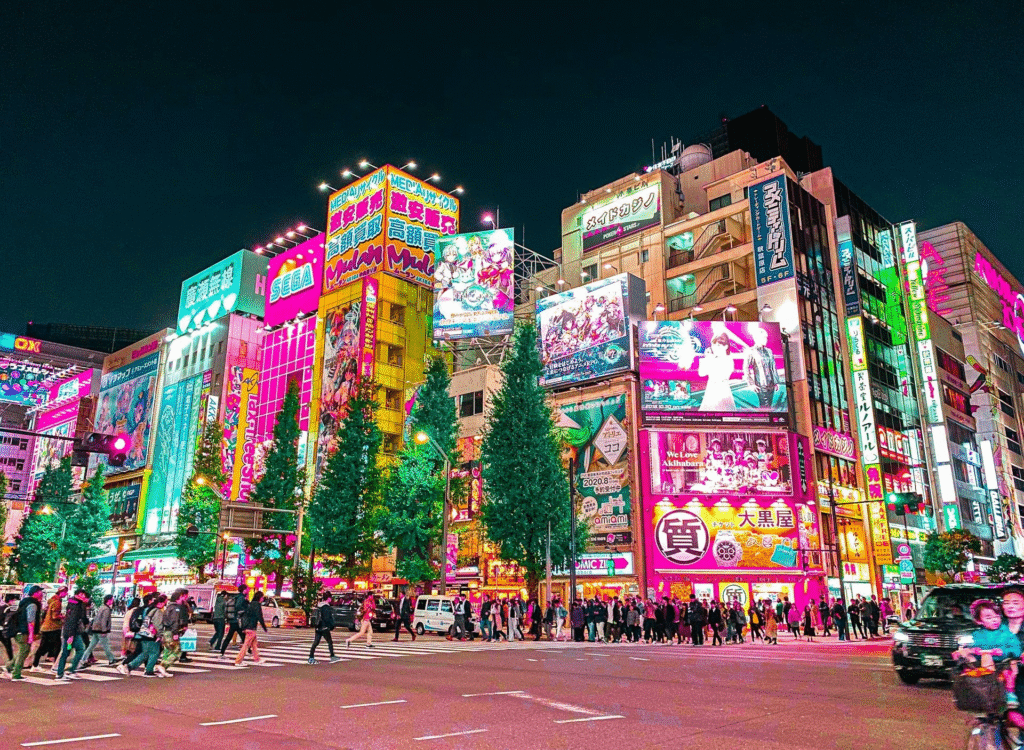
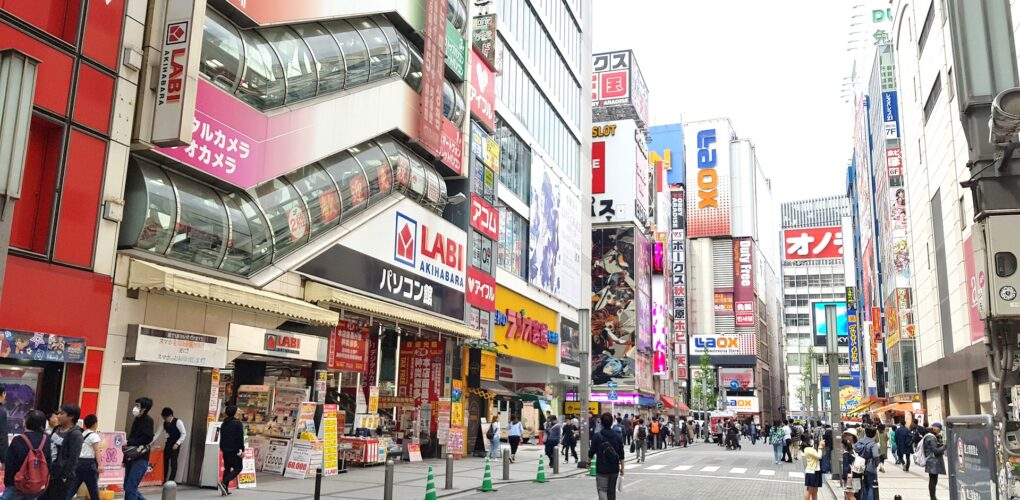
Kamata, situated in Tokyo’s southeastern region near Haneda Airport, distinguishes itself as a quintessential “shitamachi,” or traditional downtown district.1 This vibrant neighborhood offers a captivating blend of historical depth and contemporary local life, presenting an ideal destination for those seeking an authentic glimpse into Tokyo’s enduring character. Unlike the often-overwhelming, neon-lit landscapes of central hubs like Shibuya or Shinjuku, Kamata provides a more relaxed and nostalgic atmosphere, defined by its traditional shopping streets, inviting public baths, and an array of local eateries.1 Its strategic location, merely a short distance from Haneda Airport, renders it an incredibly convenient and accessible gateway for international visitors arriving in or departing from Tokyo.1
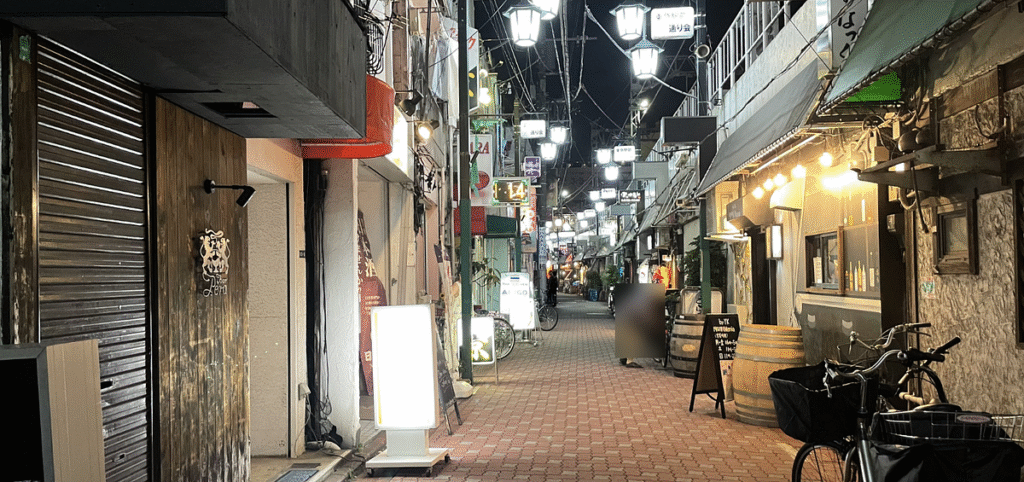
Welcome to Kamata (蒲田)
Discover Tokyo’s authentic “shitamachi” charm. A hidden gem of history, hot springs, and unforgettable cuisine, just moments from Haneda Airport.
Discover Kamata’s Soul
This section invites you to explore the rich history and unique attractions that define Kamata. From its surprising role in Japan’s film history to its serene spiritual sites and quirky modern landmarks, you’ll find the stories that give this district its unique character.
A Journey Through Time
Edo Era Post Town
During the Edo Period (1603-1867), Kamata served as a vital post town, a resting point for travelers and traders, laying the foundation for its future growth.
Cinematic Golden Age
From 1920 to 1936, the Shochiku Film Studio turned Kamata into a bustling “Hollywood of Japan,” influencing national fashion and culture.
Modern Shitamachi
Today, Kamata thrives as a “shitamachi” (downtown district), blending its rich history with the vibrant pace of modern Tokyo life.
Must-See Attractions
Anamori Inari Shrine
Walk through hundreds of red *torii* gates at this shrine, a guardian for air travel safety, conveniently near Haneda Airport.
Ikegami Honmonji Temple
Visit this major Buddhist temple, home to the Kanto area’s oldest five-story pagoda and a site of major festivals.
Nishi-Rokugo “Tire Park”
A playground like no other, featuring giant monsters and robots made from over 3,000 recycled tires. A testament to creative, sustainable fun.
Savor the Flavors of Kamata
This section is your guide to Kamata’s delicious culinary world. Dive into the story of its legendary “Hanetsuki Gyoza” (winged dumplings) and use our interactive guide to compare the top spots. Then, explore the lively atmosphere of local *izakaya* culture for an authentic evening out.
The Legendary Hanetsuki Gyoza
Select a Shop
Click a button on the right to see the details of Kamata’s most famous gyoza shops.
Relax & Recharge
In this section, discover how to unwind in Kamata. Learn about the area’s famous “Kuro-yu” black water hot springs, a unique wellness experience prized for its therapeutic benefits. We also highlight serene parks perfect for a quiet afternoon stroll.
Kuro-yu Hot Springs
Immerse yourself in Kamata’s unique “black water” onsen. This mineral-rich water is famous for its skin-smoothing and healing properties.
Senzokuike Park
A scenic park centered around a large pond. Perfect for boating, leisurely walks, and enjoying beautiful cherry blossoms in spring.
Rooftop Ferris Wheel
Visit the “Ferris Wheel of Happiness” on the roof of Tokyu Plaza for a charming dose of nostalgia and great city views.
Plan Your Trip
Here you’ll find all the practical information you need for a smooth visit. The interactive chart shows how incredibly well-connected Kamata is to Haneda Airport and major Tokyo hubs. We also provide insights into the local shopping and social scenes to help you experience Kamata like a local.
Getting Around: Travel Times from Kamata
Local Life & Shopping
Explore the SunRise Kamata Shopping Street, a covered arcade with a nostalgic Showa-era atmosphere. It’s filled with family-owned shops, fresh produce markets, and lively *izakayas*. For a truly local experience, consider a guided tour to a “snack bar” for karaoke and conversation with residents.
Future of Kamata
Kamata continues to evolve. Keep an eye out for the Kamata Family Festival in May. Looking further ahead, the proposed “Kama-Kama Line” railway project aims to create an even faster link to Haneda Airport by the 2040s, cementing Kamata’s role as a key transport hub.
II. A Journey Through Time: Kamata’s Enduring Legacy
Kamata’s rich history is a tapestry woven with various cultural threads, each contributing to its unique identity. From its early days as a vital post town to its unexpected role in Japan’s cinematic golden age, the district has continuously evolved while retaining a palpable sense of its past.
Edo Era Roots & Cinematic Past
During the Edo Era (1603-1867), Kamata served as a crucial post town, facilitating travel and trade along important routes.1 This historical foundation laid the groundwork for its later development. The district’s cultural prominence truly blossomed between 1920 and 1936, largely due to the establishment of the Shochiku Film Studio within its bounds.1 This period transformed Kamata into a bustling hub for renowned movie stars and a significant trendsetter in fashion. Although few physical monuments from this glorious cinematic era remain, the influence is still subtly present in the district’s atmosphere, where classic
washoku (Japanese cuisine) restaurants, wagashi (Japanese confectionery) shops, and kimono stores can be found nestled among more modern establishments like izakayas and fast-food outlets.1
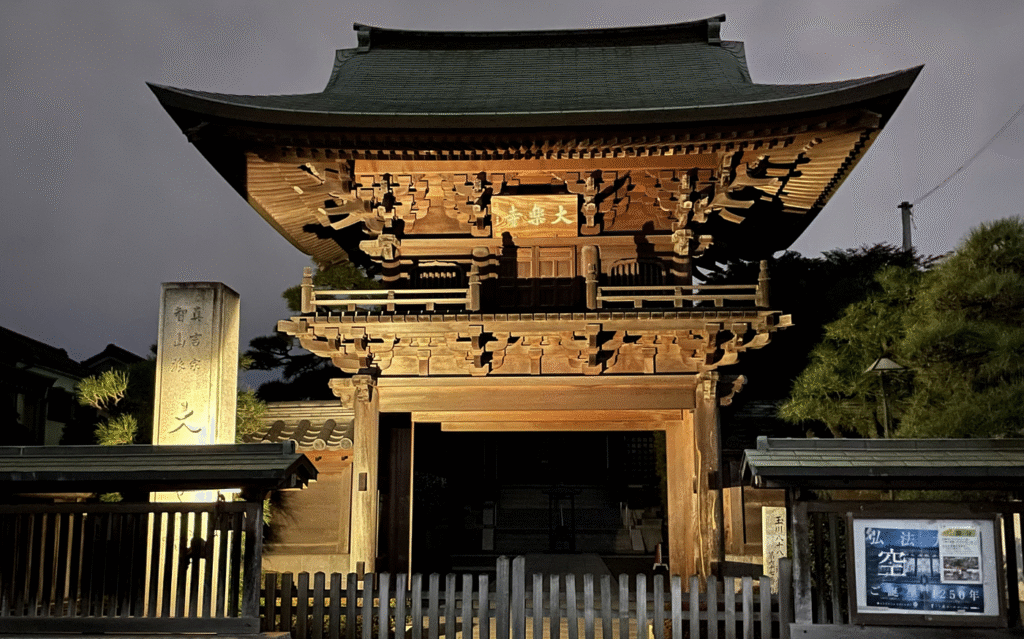
Spiritual Sanctuaries
Kamata is also home to several significant spiritual sites that offer tranquility and a connection to Japanese traditions.
Anamori Inari Shrine: This large Shinto shrine holds particular relevance given Kamata’s proximity to Haneda Airport, as it is dedicated to a guardian deity for air travel safety.1 Visitors can offer wishes at the magnificent main shrine before proceeding through hundreds of small, vermillion
torii gates. Beyond these gates, dozens of tiny shrines await discovery within a cave and atop a stone tower, providing a deeply spiritual and visually captivating experience.1
The Relocated Tama River Torii: A striking symbol of adaptation, a gigantic torii gate once stood on the grounds of Haneda Airport. As the airport expanded its runways, this impressive structure was carefully relocated to the Tama Riverbank.1 Its new location serves as a poignant reminder of the area’s ongoing development and its ability to preserve significant cultural landmarks amidst progress.
Ikegami Honmonji Temple: Situated on a hill in southern Tokyo, this prominent Buddhist temple is dedicated to the famed Buddhist sage Nichiren, who is believed to have passed away here.4 The temple grounds feature an impressive five-story pagoda, constructed around the 17th century in the Momoyama architectural style, widely regarded as the oldest of its kind in the Kanto area.4 Ikegami Honmonji Temple is a vibrant center for cultural events, notably hosting the annual Oeshiki Ceremony in mid-October, which draws hundreds of thousands of participants for a grand parade featuring 10,000 lanterns.4 In spring, the temple’s surrounding area becomes a popular spot for cherry blossom viewing, adding another layer of seasonal beauty.4
The historical narrative of Kamata reveals a fascinating layering of identities. It transitioned from a strategic post town to a center of cinematic innovation, and now thrives as a “shitamachi” district that adeptly preserves its traditional elements while embracing modern necessities.1 The relocation of the Tama River
torii and the Anamori Inari Shrine’s dedication to air travel safety illustrate how historical and spiritual facets have adapted to remain pertinent within a rapidly changing urban landscape, particularly with the significant growth of Haneda Airport. This capacity for adaptation and the seamless integration of the old with the new are fundamental to Kamata’s distinct cultural fabric. This demonstrates that Kamata is not merely a static historical site but a dynamic, evolving community that honors its heritage while actively engaging with contemporary developments, thereby offering a more profound and multifaceted cultural experience than many purely modern districts.
It is important to clarify that while historical records mention a “Kamata-Kamatapura” kingdom founded in the 13th century AD, located on the Dharla River and associated with the Khen dynasty, this historical context is distinct from Kamata, Tokyo.6 The focus of this report is exclusively on Kamata, the Tokyo district near Haneda Airport, as implied by the user’s initial query and the primary research material provided.1 This distinction is crucial for maintaining geographical accuracy and relevance for travelers interested in the Tokyo area.
III. Soaking in Serenity: Kamata’s Unique Hot Springs (Kuro-yu)
One of Kamata’s most celebrated features is its abundance of onsen mineral hot springs, particularly known for their distinctive “kuro-yu,” or black water.1 This unique blackish-brown water, characterized by its rich, oily texture, is believed to derive its color and properties from ancient trees and seaweed fossils that have seeped into the spring water from deep underground over millennia.8
The kuro-yu is highly regarded for its therapeutic benefits. It is said to effectively warm the body, leaving the skin smooth and bright, and is also believed to possess healing effects for various illnesses and injuries.1 Visitors to Kamata can immerse themselves in a variety of bathing experiences, from traditional Japanese-style public baths (
sento) to more modern spas and resort-type facilities.3
Notable bathhouses in the area include Kamata Onsen and Yu City Kamata Onsen.8 Kamata Onsen, an establishment with a long history dating back to 1937, offers both invigoratingly hot baths (reaching up to 50℃) and comfortably warm baths (around 40℃). It also features a jacuzzi, an electric bath, and a sauna, providing a comprehensive relaxation experience. Beyond the baths, Kamata Onsen boasts a banquet hall where guests can enjoy karaoke and meals, reflecting its role as a community gathering spot.8 Yu City Kamata Onsen similarly provides a range of amenities, including an open-air
kuro-yu bath, a jacuzzi, an electric bath, and a “Baibura” bath, which uses nano bubbles to stimulate the body and improve circulation.9
The consistent emphasis on “kuro-yu” as a unique, mineral-rich, and restorative hot spring positions Kamata as a distinct wellness destination within Tokyo.1 This goes beyond the general concept of public baths, offering a specific, therapeutic experience. The detailed descriptions of its properties—such as its oily texture, benefits for skin, and purported healing effects—along with the mention of specific long-standing bathhouses like Kamata Onsen and Yu City Kamata Onsen, indicate a deeply ingrained local culture centered around these springs. This unique offering suggests that Kamata could be promoted as a specialized wellness retreat or a destination for “healing tourism,” providing a tranquil contrast to Tokyo’s high-energy urban centers. This particular appeal has the potential to attract travelers specifically seeking relaxation and distinctive cultural experiences.
IV. Exploring Kamata’s Vibrant Attractions
Beyond its historical roots and soothing hot springs, Kamata offers a collection of attractions that blend the quirky with the traditional, showcasing the district’s multifaceted character.
Quirky & Charming Spots
Kamata Hachiman Shrine: The Poodle Miko Phenomenon: This early 17th-century Shinto shrine, dedicated to Inari, the Japanese god of foxes, is renowned for its highly unusual and charming shrine attendants: two white poodles.10 These adorable dogs are dressed in traditional
Miko (shrine maiden) costumes, typically worn by women, and enthusiastically welcome visitors to the shrine, adding a unique and memorable twist to a spiritual visit.11 This unexpected sight provides a delightful blend of solemn tradition and lighthearted charm.
Nishikamata Park: Located at the western edge of Kamata, Nishikamata Park serves as a peaceful suburban green space.10 It offers a relaxing environment for visitors to unwind on benches under the shade of trees. The park also features a children’s playground and statues of children at play, making it an ideal spot for families to relax and for children to expend energy.10
Ota City’s Wider Wonders (Near Kamata)
Kamata’s location within Ota City provides easy access to several other unique landmarks that further enrich a visit to the area.
Senzokuike Park: This scenic park in Northern Ota Ward, a few train stops from Ikegami Station, is famous for its large pond.7 The pond’s name, “Senzoku,” meaning “washing your feet,” is derived from the story that the revered Buddhist priest Nichiren Shonin once washed his feet here. The park is ideal for leisurely walks and boating, with paths winding past small temples and historical sites. It is particularly captivating during the spring when its cherry trees bloom, creating a picturesque setting.7
Nishi-Rokugo Park (Tire Park): A truly distinctive landmark in Ota City, Nishi-Rokugo Park, commonly known as “Tire Park,” is a quirky playground built almost entirely from over 3,000 recycled tires.7 This imaginative park features massive Godzilla-like tire monsters, standing 8 meters tall and stretching 20 meters long, alongside a towering tire robot, swings, slides, and various climbing structures, all designed for creative play on soft sand.7 Opened in 1969, it was an eco-conscious idea well ahead of its time, showcasing a blend of sustainability and playful design.17
Shiawase no Kanransha (Ferris Wheel of Happiness): This beloved tulip-shaped mini Ferris wheel is an unrivaled local icon, perched on the rooftop of Kamata Station’s Tokyu Plaza shopping complex.7 Established in 1968, it offers an open space with various kid-friendly activities and has earned its endearing name, “Ferris Wheel of Happiness,” symbolizing joy and local pride.7
The combination of ancient shrines featuring unexpected poodle “miko” 10, a park ingeniously constructed from recycled tires 7, and a historic rooftop Ferris wheel 7 reveals Kamata’s remarkable ability to integrate deep cultural heritage with whimsical, and even sustainable, elements. This collection of attractions is more than just a series of individual sights; it tells a story of a district that embraces both its serious, spiritual dimensions and its playful, innovative spirit. This eclectic mix makes Kamata appealing to a wide range of travelers, from those interested in history and spirituality to families seeking unique recreational experiences and individuals looking for quirky, visually engaging spots. It positions Kamata as a destination that transcends typical Tokyo stereotypes, offering a truly distinctive and memorable visit.
V. A Feast for the Senses: Kamata’s Culinary Delights
Kamata’s culinary scene offers a delightful journey for the taste buds, with a particular highlight being its unique local specialty.
The Legendary Hanetsuki Gyoza
Kamata is widely recognized for its “Hanetsuki Gyoza” (winged gyoza), a local specialty characterized by a thin, crispy “wing” formed during the cooking process from the starch.18 The district is home to numerous establishments, each offering its own distinctive take on this popular dish. Among these, the shops owned by the “Yagi Brothers” are particularly notable, as they are widely regarded as the “father of winged gyoza” in Kamata.18
The explicit identification of “Hanetsuki Gyoza” as Kamata’s signature “specialty” 18 and the recognition of the “Yagi Brothers” as its originators 18 point to a strong, unique culinary identity for the district. This is more than just a popular dish; it represents a significant source of local pride and provides a compelling reason for food enthusiasts to visit Kamata. The detailed descriptions of each shop’s unique flavor profiles—from juicy fillings to ginger-infused tastes, and from crispy textures to plumpness—suggest a vibrant and competitive culinary scene centered around this one iconic dish. This local specialty offers a concrete and delicious draw for culinary tourism, effectively distinguishing Kamata from other Tokyo neighborhoods that might offer more generic Japanese cuisine.
For those eager to sample this local delicacy, here are some top Hanetsuki Gyoza spots in Kamata:
| Shop Name | Unique Flavor/Texture | Price (per serving) | Access (walk from Kamata Station) |
| Nihao | Juicy filling of Chinese cabbage & cabbage, rich meat & vegetable umami | 300 yen (5 pcs), 500 yen (10 pcs) | 2 minutes (Keikyu Main Line) 18 |
| Nihao Annex | (Same as Nihao, but different location/hours) | (Same as Nihao) | 4 minutes (Keikyu Main Line) 18 |
| Chinese restaurant Huan-Ying | Ginger-flavored filling, bigger & thinner crispy wing (approx. 26 cm) | 300 yen (5 pcs) | 2 minutes (JR Keihin Tohoku Line) 18 |
| Chinese Dalian restaurant Komparu Main wing | Plump, voluminous filling with lots of vegetables, crunchy texture, springy skin (approx. 23 cm) | 300 yen (6 pcs) | 1 minute (Keikyu Main Line) 18 |
Diving into Izakaya Culture
Kamata is a bustling neighborhood teeming with a diverse array of bars and restaurants.10 Bourbon Road stands out as a particularly popular lantern-lit street, known for its lively concentration of pubs,
izakaya bars, and establishments offering karaoke.10 This makes Bourbon Road an excellent destination for evening drinks and dinner, providing a quintessential Japanese nightlife experience. Numerous
izakayas are conveniently located around both Kamata Station and Keikyu Kamata Station, presenting a wide range of options from fresh seafood and grilled yakitori to attractive all-you-can-drink plans and private dining rooms.20
Specific izakaya establishments in the area include Oden to Nihonshu Toshimaya, a favored spot for sake connoisseurs offering fresh seafood; Yasai Maki Kushizakura Kamata Higashiguchi Ten, known for its Teppan-yaki dishes; and Kappo Izakaya Kamata Tenho, which specializes in seafood and tempura.20 Other notable mentions are Umi Logi, boasting fresh fish delivered directly from the market; Private rooms Izakaya Nikuen Kamata Honten, offering all-you-can-eat
yakitori; and Kidori Sakaba, another yakitori specialty shop.21
Beyond Gyoza
While hanetsuki gyoza is a significant draw, Kamata’s culinary landscape extends far beyond this signature dish. Visitors can discover a variety of other Japanese and Chinese cuisines. The district features classic washoku restaurants, traditional wagashi (Japanese confectionery) shops, and a range of fast-food options.1 General Japanese staples such as Ramen, Sushi, Yakitori, Okonomiyaki, Miso soup, and Udon are widely available throughout Tokyo and are well-represented in Kamata’s diverse dining establishments.24 Furthermore, Chinese cuisine, including dishes like Mapo Tofu, Yaki-soba, and Harumaki (spring rolls), has a strong and popular presence in Japan, and can be found in Kamata.25 Specific restaurants in the broader Kamata area include Unagimae Etou, specializing in
unagi (eel); Torigen Kamata, an izakaya and tavern; Tempura Suzuki, known for its tempura; Seafood Izakaya Uogin Kamata Ten; Gyu Doraku for yakiniku (BBQ beef); and Ribollita e Salumeria, an Italian bistro.3
VI. Shopping & Local Life: The Heartbeat of the Community
Kamata offers more than just historical sites and culinary delights; it provides a genuine glimpse into local Japanese life through its vibrant shopping streets and unique social establishments.
SunRise Kamata Shopping Street: A Nostalgic Retail Experience
Located just a minute’s walk from Kamata Station’s West Exit, SunRise Kamata Shopping Street is a charming covered arcade that beautifully preserves the atmosphere of Japan’s Showa era.26 Its spacious arcade roof ensures a comfortable shopping experience regardless of the weather conditions, contributing to its year-round popularity.26
Established in 1977 (Showa 52), this arcade has become an integral part of the Kamata community.26 While some chain stores have moved into the area over the years, many family-owned businesses continue to operate, diligently preserving the street’s traditional character and nostalgic appeal.26 SunRise Kamata combines traditional charm with modern convenience, hosting a variety of independent businesses that create a unique shopping experience. The street maintains a lively atmosphere throughout the day, attracting both local residents and tourists with its diverse offerings. These include a mix of dining establishments, notably
izakayas and bars that become particularly vibrant in the evening, fresh produce markets offering local and seasonal items, independent fashion boutiques selling unique clothing and accessories, traditional craft shops, jewelry stores, and footwear retailers.26 This rich variety fosters an atmosphere that encourages exploration and discovery.
The Authentic “Snack Bar” Experience
Kamata presents a distinctive opportunity to engage with Japanese “snack bar” culture. These establishments are deeply beloved by locals but often have a policy of refusing entry to foreigners without a guide.26 This practice, while seemingly restrictive, serves to preserve a specific local cultural space, potentially safeguarding it from the negative impacts of over-tourism or cultural misunderstanding.
However, this barrier also creates an opportunity for a more curated and authentic engagement. Through guided tours, visitors can gain access to these intimate venues and enjoy genuine communication with the owner, often referred to as the “mama-san,” and other local customers.26 Participating in karaoke, a staple of the snack bar experience, further fosters a relaxing and authentic local interaction. This guided approach allows for a deeper immersion into local experiences, highlighting the camaraderie and human connection that are central to snack bar culture.26 For adventurous travelers, this offers a unique and profound cultural immersion that extends beyond typical tourist attractions, reinforcing Kamata’s reputation as a place for genuine local interaction rather than superficial sightseeing. This approach ensures that the local character is maintained while still providing enriching experiences for those who seek them.
VII. Seamless Connections: Getting To and Around Kamata
Kamata’s excellent transportation network is a significant asset, making it a highly convenient base for exploring Tokyo and beyond.
Haneda Airport Accessibility
Kamata’s close proximity to Haneda Airport is a major advantage for travelers. A direct train ride from Keikyu Kamata Station to Haneda Airport Terminal 1 & 2 takes approximately 10 minutes and costs around ¥165-¥170.3 Additionally, direct bus services operate from Kamata Station to Haneda Airport Terminal 1, with a journey time of about 30 minutes.27
This direct and rapid accessibility to Haneda Airport positions Kamata not merely as another Tokyo neighborhood but as a highly strategic entry or exit point for international travelers.3 This convenience can significantly influence travel itineraries, making Kamata an ideal first or last stop, or even a practical base for exploring Tokyo, thereby reducing travel-related stress. Further underscoring this connectivity, long-term plans are in place for the proposed Kama-Kama Line, a 3.1 km railway line aimed at connecting the Tokyu Tamagawa Line to the Keikyu Airport Line by 2038-2042.28 This project, which involves addressing the technical challenge of differing track gauges between the lines, signifies a long-term vision for Kamata as a major transport hub, enhancing its role in the broader Tokyo transportation network.28
Major Train Lines
Kamata is exceptionally well-connected by multiple train lines, facilitating easy navigation both within Ota Ward and to other parts of Tokyo.29
Kamata Station: This major railway station is operated by both the East Japan Railway Company (JR East) and the private railway operator Tokyu Corporation. It is served by the JR Keihin-Tohoku Line, the Tokyu Ikegami Line, and the Tokyu Tamagawa Line.31
Keikyu Kamata Station: Located approximately 700 meters east of Kamata Station, Keikyu Kamata Station is served by the Keikyu Main Line and the Keikyu Airport Line.30 This station functions as a crucial interchange point for direct train services between Yokohama Station and Haneda Airport.30
Connecting to Tokyo’s Hubs
Kamata’s comprehensive train network ensures seamless connections to many of Tokyo’s most popular districts:
| Destination | Primary Train Line(s) | Approx. Travel Time | Approx. Cost (JPY) | Notes |
| Haneda Airport | Keikyu Airport Line | 10 minutes | ¥165-¥170 | Direct from Keikyu Kamata Station 27 |
| Shinagawa | JR Keihin-Tohoku Line / Keikyu Main Line | 12-15 minutes | ¥170-¥300 | Direct from Kamata Station (JR) or Keikyu Kamata Station (Keikyu) 32 |
| Shibuya | Keikyu Main Line + JR Yamanote Line | 33 minutes | ¥406-¥410 | 1 transfer at Shinagawa 34 |
| Shinjuku | JR Keihin-Tohoku Line + JR Yamanote Line | 33 minutes | ¥393-¥658 | 1 transfer at Shinagawa 33 |
| Tokyo Station | JR Keihin-Tohoku Line | 22 minutes | ¥290-¥430 | Direct from Kamata Station 35 |
Practical travel logistics are paramount for visitors, and this table consolidates key information, enabling individuals to quickly assess how well-connected Kamata is and to compare it with other potential accommodation bases in Tokyo. This directly addresses the need for actionable travel information, enhancing the ability to plan a trip efficiently.
VIII. Events & Future Glimpses
Kamata is not a static historical district; it is a living, evolving community that hosts vibrant local events and is actively shaping its future through ongoing urban development.
Local Festivals
Kamata hosts lively local events that provide a deeper immersion into the community’s spirit. The Kamata Family Festival is a notable annual event, typically held in early May (May 3rd-5th in 2025).36 This festival transforms Kamata’s shopping streets with a variety of engaging activities, including real mystery-solving games with luxurious prizes, dynamic music stages, and opportunities for Mölkky experiences.36
The presence of a “Kamata Family Festival,” specifically organized by local shopping street associations, indicates a strong sense of community and a focus on local engagement, rather than solely catering to external tourism.36 This suggests that Kamata is a living, evolving district with a vibrant local culture that extends beyond its historical sites and commercial offerings. For travelers, this translates into opportunities to experience authentic local life and participate in community events, adding another layer of depth to their visit beyond typical sightseeing.
Urban Development Projects
While numerous urban development projects are underway across Tokyo 38, Kamata is also experiencing its own local growth. Recent developments include residential projects such as the “Urban Park Kamata Minami I,” a relatively new residence completed in September 2022, indicating Kamata’s continued appeal as a desirable place to live.39
Looking ahead, there are significant long-term plans for the Kama-Kama Line, a proposed 3.1 km railway line.28 This ambitious project aims to connect the Tokyu Tamagawa Line to the Keikyu Airport Line, further enhancing Haneda Airport accessibility. The planned opening for this line is between 2038 and 2042.28 A key challenge in this development is the difference in track gauge between the Tokyu Tamagawa Line (1,067 mm) and the Keikyu Airport Line (standard gauge), which engineers are working to address through various proposals, including gauge change trains or upgrading the Airport Line.28
The planned Kama-Kama Line signifies a forward-looking vision for Kamata, specifically strengthening its role as a crucial airport access point. This will likely increase the district’s prominence and potentially alter its character over time.28 The technical complexity of overcoming differing track gauges highlights the intricate nature of urban development in a densely populated city like Tokyo. Coupled with ongoing residential development, these projects demonstrate that Kamata is not static; it is a district undergoing continuous evolution, effectively balancing its traditional roots with modern infrastructure and residential needs. This dynamic urban environment offers a compelling experience for visitors interested in observing Tokyo’s ongoing development and how its various neighborhoods adapt to future demands.
IX. Conclusion: Why Kamata Deserves Your Visit
Kamata stands as a compelling testament to Tokyo’s multifaceted character, offering a “shitamachi” experience that seamlessly blends historical depth, unique cultural quirks, and a vibrant local life. From its intriguing cinematic past and spiritual sanctuaries like Anamori Inari Shrine and Ikegami Honmonji Temple, to its distinctive healing black hot springs (kuro-yu), signature hanetsuki gyoza, and nostalgic shopping arcades, Kamata provides an authentic and enriching experience that sets it apart from Tokyo’s more frequently visited tourist hubs.
Its exceptional accessibility from Haneda Airport, coupled with robust train connections to central Tokyo, makes Kamata an ideal and convenient destination for curious travelers. It invites them to step off the well-trodden path and delve deeper into Japan’s rich cultural tapestry, savor unique local flavors, and discover charming hidden gems. Kamata is a place where tradition not only endures but thrives alongside modern convenience, offering a truly immersive journey into the heart of local Tokyo.
Works cited
- accessed January 1, 1970, https://tokyocheapo.com/locations/south-tokyo/kamata/
- VIDEO: Immerse yourself into Tokyo nostalgia at Kamata | Stripes …, accessed July 3, 2025, https://japan.stripes.com/travel/tokyo-kamata-haneda.html
- Things to Do in Kamata, Tokyo – SAVOR JAPAN -Japanese …, accessed July 3, 2025, https://savorjapan.com/areas/tokyo/spots/81
- Ikegami Honmonji Temple | Travel Japan – Japan National Tourism Organization (Official Site), accessed July 3, 2025, https://www.japan.travel/en/spot/1649/
- Ikegami Honmonji Temple – Tokyo Attractions – Japan Travel, accessed July 3, 2025, https://en.japantravel.com/places/tokyo/ikegami-honmonji-temple/170
- Kamata-Kamatapura – Banglapedia, accessed July 3, 2025, http://en.banglapedia.org/index.php/Kamata-Kamatapura
- Ota City, accessed July 3, 2025, https://www.city.ota.tokyo.jp/kanko/syoukai/travel-guide.files/guide_e3.pdf
- 9. The famous Kuroyu debut! Kamata Onsen – ON THE TRIP, accessed July 3, 2025, https://on-the-trip.net/indices/4882?locale=en
- YOU CITY KAMATA – TOKYO STORY, accessed July 3, 2025, https://tokyostory.net/sento/you-city-kamata/
- Visit Kamata: 2025 Kamata, Tokyo Travel Guide | Expedia, accessed July 3, 2025, https://www.expedia.com/Tokyo-Kamata.dx6203724
- Kamata Hachiman Shrine Tours – Book Now | Expedia, accessed July 3, 2025, https://www.expedia.com/Kamata-Hachiman-Shrine-Ota.d553248621562274487.Vacation-Attraction
- Uncover Kamata Hachiman Shrine in Japan with Optional Sightseeing with a Daytrip Car Trip, accessed July 3, 2025, https://daytrip.com/en/discover/location/kamata-hachiman-shrine
- Senzoku-Ike – Ota City, Tokyo – Japan Travel, accessed July 3, 2025, https://en.japantravel.com/tokyo/senzoku-ike/35574
- Senzokuike Park – DISTRICT81 | JAPAN TRAVEL&SPOT with MUSIC, accessed July 3, 2025, https://district81.jp/en/spot-en/%E6%9D%B1%E3%81%AE%E7%95%94%E3%81%8B%E3%82%89%E3%81%AE%E8%A5%BF%E3%82%92%E6%9C%9B%E3%82%80-%E6%B4%97%E8%B6%B3%E6%B1%A0%E5%85%AC%E5%9C%92.html
- Unique Things in Ota City, accessed July 3, 2025, https://unique-ota.city.ota.tokyo.jp/en/charm/life/rare/
- Nishirokugo Park (Tire Park) | [Tokyo/Ota Tourism Association Official Website] Travel to Ota, the gateway to Tokyo, accessed July 3, 2025, https://www.o-2.jp/en/contents/%E8%A5%BF%E5%85%AD%E9%83%B7%E5%85%AC%E5%9C%92%EF%BC%88%E3%82%BF%E3%82%A4%E3%83%A4%E5%85%AC%E5%9C%92%EF%BC%89/
- Hidden Wonders | A Tokyo Park Made Almost Entirely from Tires – JAPAN Forward, accessed July 3, 2025, https://japan-forward.com/hidden-wonders-a-tokyo-park-made-almost-entirely-from-tires/
- Hanetsuki (Winged) Gyoza | Unique Ota, accessed July 3, 2025, https://unique-ota.city.ota.tokyo.jp/en/charm/gourmet/hanetsuki-gyoza/
- Chinese Home Cuisine Ni Hao Annex | [Tokyo/Ota Tourism Association Official Website] Journey to Ota, the gateway to Tokyo, accessed July 3, 2025, https://www.o-2.jp/en/contents/%E4%B8%AD%E5%9B%BD%E5%AE%B6%E5%BA%AD%E6%96%99%E7%90%86%E3%83%8B%E3%83%BC%E3%83%8F%E3%82%AA-%E5%88%A5%E9%A4%A8/
- Best Izakaya (Japanese style tavern) near Keikyu Kamata Sta. | Tabelog, accessed July 3, 2025, https://tabelog.com/en/tokyo/A1315/A131503/R3649/rstLst/izakaya/
- Best Izakaya (Japanese style tavern) in Kamata | Tabelog, accessed July 3, 2025, https://tabelog.com/en/tokyo/A1315/A131503/rstLst/izakaya/
- Best Restaurants in Kamata | Tabelog, accessed July 3, 2025, https://tabelog.com/en/tokyo/A1315/A131503/
- Izakaya Hopping in Kamata – Tokyo – byFood, accessed July 3, 2025, https://www.byfood.com/experiences/tokyo-kamata-izakaya-hopping-food-drinks-911
- 50 Traditional Japanese Foods: Top Traditional Dishes – byFood, accessed July 3, 2025, https://www.byfood.com/blog/travel-tips/japanese-traditional-foods
- Chinese Restaurants in Japan: A Unique Culinary Experience Only Available in Japan!, accessed July 3, 2025, https://jpneazy.com/feature/chinese-restaurant-japan
- SunRise Kamata Shopping Street: A Nostalgic Shopping Haven in …, accessed July 3, 2025, https://www.snackyokocho.com/en/article/9576/
- Kamata Station to Tokyo Haneda Airport (HND) – 5 ways to travel via train – Rome2Rio, accessed July 3, 2025, https://www.rome2rio.com/s/Kamata-Station/Tokyo-Haneda-Airport-HND
- Kama-Kama Line – Wikipedia, accessed July 3, 2025, https://en.wikipedia.org/wiki/Kama-Kama_Line
- Transportation Guide | Campus | Tokyo University of Technology, accessed July 3, 2025, https://www.teu.ac.jp/english/campus/10544/index.html
- Keikyū Kamata Station – Wikipedia, accessed July 3, 2025, https://en.wikipedia.org/wiki/Keiky%C5%AB_Kamata_Station
- Kamata Station (Tokyo) – Wikipedia, accessed July 3, 2025, https://en.wikipedia.org/wiki/Kamata_Station_(Tokyo)
- Train & Monorail | Access | Haneda Airport Passenger Terminal – 羽田空港, accessed July 3, 2025, https://tokyo-haneda.com/en/access/train/index.html
- Kamata Station to Shinjuku – 6 ways to travel via train, bus, taxi, and car – Rome2Rio, accessed July 3, 2025, https://www.rome2rio.com/s/Kamata-Station/Shinjuku
- How To Get from Keikyu-Kamata to Shibuya – NAVITIME, accessed July 3, 2025, https://www.navitime.co.jp/en/transfer/searchlist?orvStationName=Keikyu-Kamata&orvStationCode=00001715&dnvStationName=Shibuya&dnvStationCode=00003544&defaultCondition=0
- Train Kamata(Tokyo) to Tokyo from ¥295 | Tickets & Timetables | Rome2Rio, accessed July 3, 2025, https://www.rome2rio.com/Train/Kamata-Tokyo/Tokyo
- www.o-2.jp, accessed July 3, 2025, https://www.o-2.jp/en/event/2025kamatafamilyfes/#:~:text=This%20year%2C%20the%20Kamata%20Family,a%20M%C3%B6lkky%20experience%2C%20and%20more!
- 2025 Kamata Family Festival | [Tokyo Ota Tourism Association Official Website] Travel to Ota, the gateway to Tokyo, accessed July 3, 2025, https://www.o-2.jp/en/event/2025kamatafamilyfes/
- Urban Development Projects – Invest Tokyo – Tokyo Metropolitan Government, accessed July 3, 2025, https://www.investtokyo.metro.tokyo.lg.jp/en/whytokyo/urban-development-projects.html
Urban Park Kamata MinamiⅠ|Portfolio|Star Asia Investment Corporation, accessed July 3, 2025, http://starasia-reit.com/en/portfolio/detail.php?id=0088