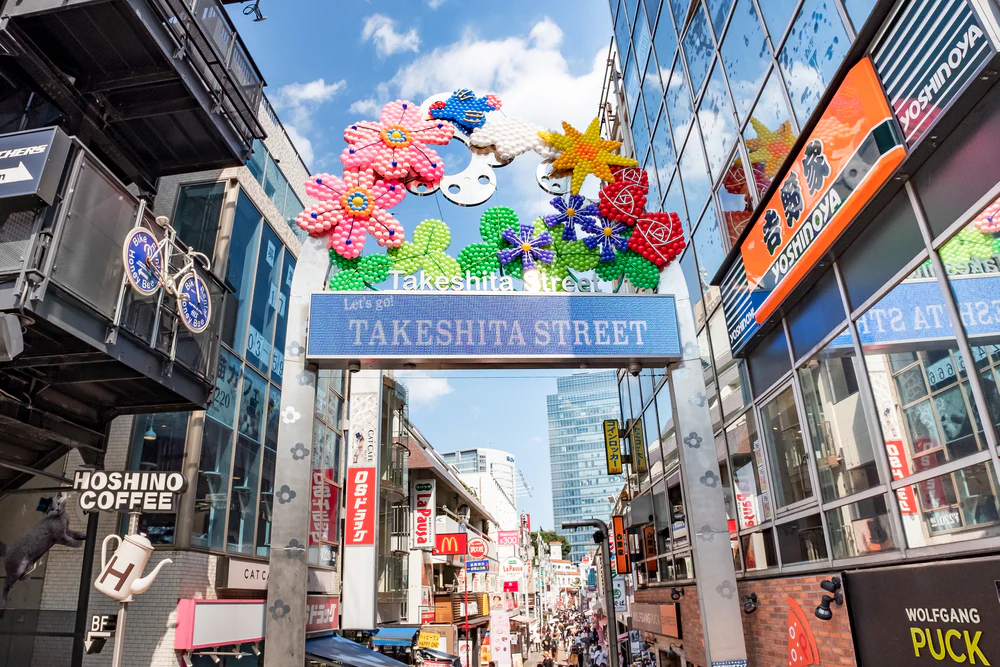
Takeshita Street, or Takeshita Dori, is more than just a shopping lane; it is the pulsating heart of Harajuku, a district synonymous with Tokyo’s youthful energy and cutting-edge pop culture. This 400-meter-long pedestrian street, stretching from Harajuku Station to Meiji Street, is a kaleidoscope of colors, sounds, and styles, drawing in millions of locals and tourists alike each year.1 It is a place where creativity and self-expression are not just accepted, but celebrated, offering an unforgettable sensory feast.4
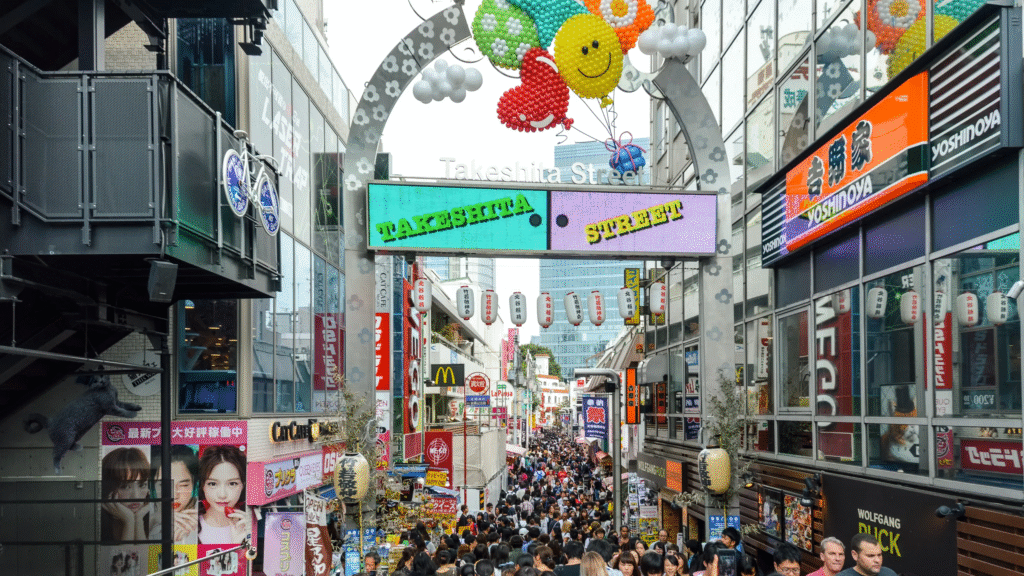
Welcome to Takeshita Street
The vibrant, pulsating heart of Harajuku’s youth culture. Discover the ultimate guide to its iconic fashion, food, and fun.
The Essence of Harajuku
This 400-meter lane is a kaleidoscope of color, style, and energy. More than just a shopping destination, it’s a living cultural incubator where trends are born and creativity runs free. This guide helps you navigate its three core pillars: Fashion, Food, and unique Experiences.
Fashion Forward
The epicenter of Harajuku style, from “Kawaii” to “Punk”.
Culinary Adventure
Home of iconic crepes, rainbow sweets, and quirky cafes.
Unforgettable Fun
Capture moments in Purikura booths and soak in the vibe.
Find Your Style
Takeshita Street is a living runway. Select a style below to explore its characteristics and discover the must-visit shops that bring it to life.
Kawaii Style
Meaning “cute” in Japanese, this style is sweet, playful, and unapologetically adorable. It features pastel hues, frilly skirts, cartoon prints, and platform sneakers.
Where to Shop:
- ALTA: A mall for teens with shops like Thank you mart.
- Liz Lisa: Famous for its adorable and girly outfits.
- WEGO 1.3.5…: Affordable and trendy goods.
- Paris Kids: Cute and inexpensive accessories.
A Culinary Adventure
Takeshita Street is a paradise for foodies. Filter by your craving to discover the most iconic and delicious treats the street has to offer.
Harajuku Crepes
The iconic on-the-go snack born on this street. Try Marion Crepes (the original!), Santa Monica Crepes, or Comcrepe’s Creme Brulee version.
Rainbow Cotton Candy
The ultimate Instagrammable sweet. Get your giant, colorful cloud of sugar at TOTTI CANDY FACTORY.
Potato Treats
For a savory crunch, head to Calbee+ for freshly fried potato chips with unique toppings.
Korean Street Food
Try the viral rainbow cheese coin or a classic corn dog at Gamaro GangJung.
Animal Cafes
Interact with adorable animals! Visit Mipig Cafe (micro pigs), Mame-Shiba Cafe, or get coffee from a bear paw at Anakuma Cafe.
Ramen & Sushi
For a full meal, find Ramen Ippudo or conveyor belt sushi at Misaki, both located underground near the street.
Dorayaki
Enjoy classic pancake sandwiches with 30 unique fillings (like matcha or mochi) at Yurinan Harajuku.
Unique Beverages
Grab a bubble tea from Xing Fu Tang or a photogenic light-bulb drink from Harajuku Denki Shoukai.
Beyond Shopping & Eating
Immerse yourself in Harajuku culture with these can’t-miss activities.
Purikura Photo Booths
Create the ultimate souvenir! Decorate your photos with cute stickers and filters. Head to Purikura Land Noa for the classic experience.
Anime & Cosplay Culture
A hub for fans. Find costumes at Bodyline or merchandise at Animate. Remember to ask before taking photos of cosplayers!
The Art of People-Watching
The best show is free! On weekends, the street becomes a living runway. Grab a crepe, find a spot, and enjoy the vibrant spectacle of Harajuku fashion.
Plan Your Perfect Visit
Everything you need to know for a seamless Takeshita Street adventure.
🚇 How to Get Here
JR Line: The easiest way. Arrive at Harajuku Station and use the Takeshita Exit. The street is directly in front of you.
Tokyo Metro: Meiji-Jingumae Station is also a short walk away.
⏰ Best Times to Visit
For a relaxed stroll: Visit on a weekday morning to avoid the biggest crowds.
For the full spectacle: Visit on a Sunday afternoon to see the street at its most vibrant and packed with fashion enthusiasts.
💡 Pro Tips
👟 Wear comfortable shoes. You’ll be doing a lot of walking!
💴 Bring cash (Yen), as smaller stalls and vendors may not accept credit cards.
🙏 Be respectful when taking photos. Always ask for permission before photographing people.
Nearby Attractions
Meiji Jingu Shrine
A tranquil oasis of calm just a 5-minute walk away. A perfect contrast to Harajuku’s buzz.
Omotesando Avenue
Tokyo’s “Champs-Elysees”. Find high-end brands and stunning architecture parallel to Takeshita Street.
Yoyogi Park
A vast green space perfect for relaxing, picnics, and more people-watching.
Shibuya Crossing
The world’s busiest intersection is just a 15-minute walk or one train stop away.
Overview: Harajuku’s Iconic Hub of Youth Culture
Takeshita Street is widely recognized as a premier shopping destination, extending from the north exit of Harajuku Station to Meiji Street. It is particularly renowned for its trendy clothing and features a multitude of small, fashion-forward shops.6 This vibrant thoroughfare is considered the very essence of Harajuku’s fashion and entertainment scene.1 As visitors step onto this lively lane, they are immediately immersed in an electric atmosphere, characterized by a dazzling array of colorful storefronts, quirky boutiques, and the unmistakable buzz of Tokyo’s youth culture.4 This dynamic environment is a direct result of Takeshita Street’s role as an active, living laboratory for cultural experimentation and expression. The constant flow of new trends and styles, born and showcased here, means that the street is not merely a retail space but a dynamic cultural incubator. Every visit offers a unique snapshot of contemporary youth expression, making it a truly immersive experience where cultural evolution unfolds in real-time.
The Essence of Takeshita Street: Fashion, Food, and Fun
Takeshita Street is celebrated for its eclectic blend of fashion, food, and youth culture, offering something for every visitor, from dedicated fashion enthusiasts to adventurous foodies.4 It transcends the typical shopping destination, functioning as a vibrant cultural experience that vividly showcases the creativity and individuality of Tokyo’s young people.4 This multi-faceted appeal establishes Takeshita Street as a cultural melting pot where diverse aspects of youth culture converge.
II. Fashion Forward: Trends, Boutiques, and the Shopping Experience
Takeshita Street is a living runway, a place where bold self-expression takes center stage. It is the epicenter of Harajuku fashion, a global phenomenon characterized by its fearless embrace of individuality, color, and unique aesthetics. From vintage finds to cutting-edge street styles, the street offers a diverse array of clothing and accessories that cater to every fashionista’s dream.
Harajuku Fashion: A Living Mood Board
Harajuku fashion is distinctly characterized by its bright colors, bold patterns, and unique accessories, embodying a spirit where fashion signifies freedom.8 Five prominent styles frequently observed on Takeshita Street include:
- Kawaii Style: Meaning “cute” in Japanese, this style is sweet, playful, and unapologetically adorable. It embraces childhood whimsy with a sugary twist, featuring pastel hues, oversized accessories, frilly skirts, cartoon-print hoodies, and platform sneakers. Substyles like Decora Kei, characterized by an overload of colorful accessories, and Jirai Kei, a playful yet melancholic fashion blending pastels with darker themes, are also prevalent.8
- Gothic Lolita: A mysterious counterpart to Kawaii, this style blends Victorian elegance with a distinct Japanese take on goth. It is defined by black, deep red, and navy colors, accented with white lace, corseted dresses, parasols, and crucifix jewelry.11
- Y2K Revival: This trend reflects a global nostalgia for the early 2000s, infused with a Japanese flair. It incorporates metallics, hot pink, silver, electric blue, low-rise jeans, crop tops, mesh layers, micro handbags, and rhinestone clips.11
- Genderless Fashion: A forward-thinking style that breaks norms and blends traditional gender lines, focusing on personal expression rather than conventional expectations. It features neutral tones, monochromes, oversized shirts, wide-leg trousers, unisex streetwear, and minimalist accessories.11
- Punk-Inspired Streetwear: This style has evolved beyond its Western origins, integrating streetwear and hip-hop influences while retaining classic punk elements. It includes black, red, camouflage, ripped jeans, safety pin accessories, combat boots, and chains.11
The detailed descriptions of these styles, particularly the meticulous attention to detail seen in Gothic Lolita, highlight how fashion on Takeshita Street is a form of performance and identity. Clothes are not merely garments; they are powerful statements, serving as a primary vehicle for identity formation and social commentary among the youth. The street itself transforms into a vibrant stage where these identities are publicly displayed and affirmed. This explains why people-watching is a key activity here – visitors are observing a live, evolving art form, encouraging respectful observation and appreciation for the artistry involved.
Must-Visit Fashion & Accessory Stores
Takeshita Street is a dynamic retail landscape, offering a wide array of fashion and accessory stores:
- Vintage Fashion: For those with a penchant for retro styles, Kinji, Chicago, Flamingo, and Panama Boy are standout vintage boutiques, offering extensive collections of second-hand and eclectic clothing spanning decades.3
- Kawaii & Girly Fashion: Liz Lisa is a popular destination for its “kawaii” or adorable girly outfits.7
ALTA, a small shopping mall, caters specifically to teenagers with cute and girly items, housing shops like Thank you mart and Sugar High!.3 - Cosplay & Unique Apparel: Takeshita Street is a hub for cosplay enthusiasts. Bodyline is a popular store specializing in Lolita fashion and cosplay attire, offering specific wigs and complete sets for characters like Sailor Moon.7
Boutique Takenoko provides unique Harajuku-inspired apparel, including maid costumes.7 - Affordable & Trendy: WEGO 1.3.5… is a lifestyle shop by the popular WEGO brand, known for its affordable trendy goods, with many items priced at 100, 300, or 500 yen, including fan merchandise and stationery.2
Paris Kids, a long-running accessory shop since the 1970s, is favored by fashionable teens for its affordable and cute accessories, with most items around ¥300.3
RedEye offers trendy Korean-style accessories, meticulously organized by color and style.3 - Department Stores/Malls: While not directly on Takeshita Dori, Laforet Harajuku is a highly recommended shopping mall for Harajuku fashion enthusiasts, featuring seven floors of unique boutiques and a museum.2
SoLaDo is a four-story indoor mall primarily aimed at young teens.3
The Unique Takeshita Street Shopping Vibe
The shopping experience on Takeshita Street is far from ordinary; it is a treasure trove for fashion lovers and curious shoppers, offering a unique glimpse into the latest trends and timeless styles.4 It is a place where young people actively express themselves through fashion and style, fostering an electric atmosphere that buzzes with the energy of youth using fashion as a means of individuality and creativity.8 The street itself is a living collage of colors, textures, and genres, where the design of products and experiences is deliberately crafted for visual appeal and shareability. This creates a feedback loop where visual trends are amplified online, driving more visitors seeking to replicate or capture these “viral” moments. The street’s vibrancy is partly fueled by its role as a content creation hub, highlighting a modern cultural dynamic where physical spaces like Takeshita Street are increasingly intertwined with digital platforms, making the “experience” as valuable as the “purchase” for many visitors.
Harajuku Fashion Styles: A Quick Guide
| Style Name | Key Characteristics/Description | What to Look For (Colors, Pieces, Accessories) |
| Kawaii | Sweet, playful, unapologetically cute; embraces childhood whimsy. | Soft pink, lavender, baby blue, mint green; frilly skirts, petticoats, cartoon-print hoodies, platform sneakers; plush toys as handbags, bows, animal ear headbands. 11 |
| Gothic Lolita | Victorian elegance with a dark twist; meticulous attention to detail. | Black, deep red, navy, white lace accents; corseted dresses, parasols, lace gloves, petticoats, Mary Jane shoes; crucifix jewelry, ruffled headdresses, chokers. 11 |
| Y2K Revival | Retro futurism meets pop culture nostalgia; sparkle, tech-inspired. | Metallics, hot pink, silver, electric blue; low-rise jeans, crop tops, mesh layers, micro handbags; rhinestone clips, flip phones, tinted sunglasses, chunky belts. 11 |
| Genderless Fashion | Expressing personality without traditional gender expectations. | Neutral tones, monochromes, bold neons; oversized shirts, wide-leg trousers, unisex streetwear, layered jackets; minimalist bags, unique hats, statement earrings. 11 |
| Punk-Inspired Streetwear | Rebellion with style; incorporates streetwear and hip-hop influences. | Black, red, camouflage, denim; ripped jeans, safety pin accessories, combat boots, band tees; chains, spiked chokers, dyed hair, heavy eyeliner. 11 |
III. A Culinary Adventure: Sweet Treats and Savory Delights
Takeshita Street is a paradise for the palate, especially for those with a sweet tooth. Beyond its iconic fashion, the street has carved out a reputation as a culinary hotspot, offering a whimsical array of treats that are as visually captivating as they are delicious. From the original Japanese crepes to towering cotton candies and quirky themed cafes, food on Takeshita Street is an integral part of the Harajuku experience.
The Legendary Harajuku Crepes
Takeshita Dori is widely recognized as the originator of Japanese-style crepes, boasting numerous crepe cafes, each with its unique spin.13 The most iconic among them is
Marion Crepes, established in 1976. It stands as Japan’s longest-running crepe shop and is credited with popularizing crepes in Harajuku, particularly by introducing unique toppings like ice cream and fruit, which created the distinct Harajuku-style treats.2 Marion Crepes offers an extensive menu with around 70 flavor combinations, ranging from classic options with whipped cream and fresh fruits to seasonal specials, warm crepes for colder months, and even savory meal crepes filled with tuna or curry.7 These crepes are specifically designed as an on-the-go snack, conveniently wrapped in paper, making them perfect for enjoying while exploring the street.10 Marion Crepes typically operates from 10:00 AM to 9:00 PM.2
Beyond Marion Crepes, other popular crepe shops on Takeshita Street include Santa Monica Crepes and Sweet Box.2 Sweet Box notably features an adjacent café, allowing visitors to enjoy their crepe desserts indoors.2 For those seeking a unique twist,
Comcrepe is known for its distinctive Creme Brulee Crepes.13
Whimsical Sweets: Rainbow Cotton Candy, Cream Puffs, and More
Takeshita Street is a haven for visually appealing and delightful sweets. TOTTI CANDY FACTORY is particularly famous for its giant rainbow cotton candy, which is highly photogenic and meticulously crafted to order, making it an “instagrammable” must-try.2 For crunchy delights,
ZAKUZAKU is recommended for its cream puffs.13
Cookie Time offers a variety of cookies.13
For an indulgent experience, Sweets Paradise (specifically the SoLaDo Harajuku Store) provides an all-you-can-eat buffet of cakes and sweets, alongside light meal options like pasta and curry.2 Other unique sweet offerings include chocolate pizza from the
Chocolate Pizza Bar, sesame seed sweets from Gomaya Kuki, Japanese-style pancakes from Cafe & Pancake Gram, and the famously oversized treats from Long! Longer!! Longest!!!.13 The emphasis on colorful, whimsical, and “instagrammable” food items highlights how food on Takeshita Street is not just sustenance, but a performative and aesthetic experience, deeply integrated into the “kawaii” culture and the prevalent social media sharing habits of its young visitors. The visual novelty drives consumption and virality, reinforcing the street’s image as a trendsetter.
Unique Themed Cafes & Dining Spots
The creativity inherent in Harajuku’s fashion scene extends seamlessly into its culinary landscape, giving rise to unique and often whimsical themed cafes and dining experiences:
- Animal Cafes: These offer interactive dining experiences. Mipig Cafe allows patrons to dine in the company of adorable micro pigs.12 The
Mame-Shiba Cafe and Hedgehog Cafe provide opportunities to interact with their namesake animals.3
Dog Cafe Rio offers coffee alongside cuddles with furry canine friends.10 A particularly charming spot is
Anakuma Cafe (meaning “hole-bear”), where pastries and coffee are served through a small hole in the wall by a fluffy bear paw, with a portion of profits dedicated to forest conservation.12 - Themed Cafes: For fans of mystery, Christie Cafe is themed around Agatha Christie.12
Cafe Ron Ron offers a unique dining experience with desserts served on a conveyor belt, adding an element of interactive fun to sweet indulgence.13
The presence of these establishments indicates a shift towards experiential dining, where the “show” or “interaction” is as important as the food itself. This caters to a desire for novelty and memorable moments, transforming a simple meal into an attraction and reflecting a broader Japanese cultural inclination towards themed entertainment and unique customer service.
Savory Street Food & Traditional Japanese Snacks
Beyond the sweet delights, Takeshita Street also offers a diverse range of savory street food and traditional Japanese snacks:
- Dorayaki: Yurinan Harajuku specializes in this classic Japanese pancake sandwich. While traditionally filled with red bean paste, Yurinan offers an impressive assortment of 30 unique fillings, including creative combinations like matcha green tea whipped cream, chocolate, sweet potato, and various fruits and mochi.2
- Deep-fried Cheese Sticks: A popular savory snack that provides a satisfying contrast to the sweet offerings.17
- Potato-based Treats: Calbee+ is the flagship store for the popular chip retailer, offering freshly fried chips with a variety of toppings and limited-edition flavors.4
- Korean Street Food: Gamaro GangJung brings a taste of Korean street food to Takeshita Street, including corn dogs and the viral rainbow-colored 10 yen cheese coin.3
- Ramen: For a more substantial meal, Ramen Ippudo (Harajuku Takeshita Street) is located underground near the street’s entrance. It offers a variety of ramen dishes, including tonkotsu, Hakata-style, salt, and soy sauce ramen, with prices typically ranging from 1,000 to 2,000 yen. It also provides plant-based ramen options and has English menus, catering well to international visitors.2
- Matcha Soba: Kitchaan specializes in matcha-flavored soba noodles, served with accompaniments like tempura and fried chicken. It also features a café menu with matcha desserts and beverages, along with Japanese sake.2
- Conveyor Belt Sushi: Misaki, an underground conveyor belt sushi restaurant, sources its ingredients from Tokyo’s Toyosu fish market and uses special red vinegar for its sushi rice. Plates typically range from 121 yen to 420 yen, with seasonal menus available.2
Beverages
To complement the diverse food offerings, Takeshita Street provides a range of refreshing and unique beverages:
- Bubble Tea: This popular drink is widely available across the street.2
Xing Fu Tang is a highly recommended Taiwanese bubble tea brand.3 - Light-bulb Drinks: Harajuku Denki Shoukai is notable for its unique beverages served in light-bulb shaped containers, adding to the whimsical and photogenic appeal of the street’s culinary scene.13
Takeshita Street Culinary Highlights
| Food Type | Recommended Spots/Shops | Description/Key Features |
| Crepes | Marion Crepes, Santa Monica, Sweet Box, Comcrepe | Over 70 sweet and savory flavors, original Japanese style, on-the-go snack; Creme Brulee Crepes. 2 |
| Cotton Candy | TOTTI CANDY FACTORY | Giant, colorful rainbow cotton candy, highly “instagrammable,” made to order. 2 |
| Dorayaki | Yurinan Harajuku | Classic Japanese pancake sandwich; 30 unique fillings (matcha, chocolate, sweet potato, fruit, mochi). 2 |
| Animal Cafes | Mipig Cafe, Mame-Shiba Cafe, Hedgehog Cafe, Dog Cafe Rio, Anakuma Cafe | Interact with micro pigs, shiba dogs, hedgehogs, or other dogs while dining; coffee served by a bear paw (Anakuma Cafe donates profits to conservation). 3 |
| Ramen | Ramen Ippudo Harajuku Takeshita Street | Various ramen dishes (tonkotsu, Hakata-style, salt, soy sauce); plant-based options; English menus available. 2 |
| Other Sweets | ZAKUZAKU, Cookie Time, Sweets Paradise, Chocolate Pizza Bar, Gomaya Kuki, Cafe & Pancake Gram, Long! Longer!! Longest!!! | Crunchy cream puffs, cookies, all-you-can-eat dessert buffets, chocolate pizza, sesame seed sweets, Japanese-style pancakes, oversized treats. 2 |
| Savory Snacks | Calbee+, Gamaro GangJung, Deep-fried cheese sticks | Freshly fried chips with toppings, Korean corn dogs, 10 yen cheese coin. 3 |
| Beverages | Xing Fu Tang, Harajuku Denki Shoukai | Bubble tea (Taiwanese brand), unique light-bulb shaped drinks. 2 |
IV. Beyond Shopping: Unique Experiences and Entertainment
Takeshita Street is a vibrant stage where the spirit of Harajuku truly comes alive. It is a place to participate, observe, and immerse oneself in the quirky, creative, and often unexpected facets of Tokyo’s youth culture. Beyond the myriad of shops and eateries, the street offers a medley of unique activities that promise memorable moments and a deeper connection to its distinctive charm. This comprehensive approach to visitor engagement means Takeshita Street functions much like a curated theme park, where every element is designed to be experienced, shared, and remembered. It offers a multi-sensory immersion into Harajuku’s distinct youth culture, going beyond mere consumption to facilitate active participation and the creation of personal memories. The emphasis on “kawaii” and “wacky” elements further enhances this playful, theme-park-like atmosphere.
Capture the Moment: Purikura Photo Booths
A quintessential Harajuku experience is a visit to one of its Purikura Land Photo Booths.2 These Japanese photo booths produce “stamp-size photos that are guaranteed kawaii” (cute) and allow users to decorate their pictures with an array of stickers and wacky edits before printing.12 The cost typically ranges from 300 to 500 JPY.7
Purikura Land Noa is a highly recommended spot, boasting 25 photo booths for visitors to choose from.2 For those seeking a slightly different aesthetic, Korean-style photo booths like
Photoism offer more natural-looking photos compared to the traditional Japanese purikura, which tends to emphasize extreme cuteness.3 These booths are not just for taking pictures; they are an interactive activity that allows visitors to create personalized souvenirs and engage directly with the “kawaii” aesthetic.
Immersing in Anime & Cosplay Culture
Takeshita Street is a significant meeting point for cosplayers and anime enthusiasts, serving as a major hub for anime merchandise and cosplay assets.5 Visitors can find numerous costume stores, such as
Bodyline, which is a short walk from Anime Store B-Point, to complete their cosplay attire.12 Stores like
Animate offer a wide range of anime DVDs, manga novels, and limited-edition items tied to various anime series.18 Even if one is not interested in dressing up, it is still possible to show appreciation for the craftsmanship of cosplayers by taking memorable photos with them, a common and accepted practice on the street.12
Street Performances and Artistic Expressions
The dynamic energy of Takeshita Street is further amplified by its vibrant artistic scene. The street frequently hosts live music and street performances by local artists, including musicians and dancers, which contribute significantly to the lively atmosphere.4 Visitors might also encounter various art installations that capture the essence of Tokyo’s youth culture.4 Takeshita Street actively celebrates creativity through its yearly painting competition, providing a platform for emerging artists to showcase their skills. The top artworks from this competition are prominently displayed at the street’s entrance, adding to its energetic vibe and fostering a sense of unity among creators and onlookers.10
The Art of People-Watching
One of the most engaging and popular activities on Takeshita Street is simply observing the crowds. Especially on weekends and Sundays, the street becomes a spectacle as elaborately dressed young people fill the area.3 This provides a unique opportunity to soak in the vibrant energy of the street and witness the cutting-edge of Harajuku fashion firsthand.4 The visitors themselves become part of the attraction, creating a dynamic visual experience.
V. Planning Your Visit: Practical Information for Travelers
Navigating Takeshita Street can be an exhilarating experience, but a little planning goes a long way. Understanding its operating hours, transportation options, and best times to visit will help visitors make the most of their Harajuku adventure.
Getting There: Transportation Access
Takeshita Street is exceptionally convenient to access via public transportation. The most direct and recommended access point is JR Harajuku Station.1 Takeshita Street is located directly in front of the station, or just across the street.1 Visitors should use the
Takeshita Exit from JR Harajuku Station for the most straightforward route.1 The approximate travel time from the station to the street is a mere 1-minute walk.1
An alternative metro access point is Meiji-Jingumae Station, served by the Tokyo Metro Chiyoda Line and Fukutoshin Line, which is also just a short walk away.2
Parking is generally not available directly on Takeshita Dori. While some coin parking lots exist in the vicinity, they are often far from the street and can be expensive, making public transport the best and most practical way to reach the area.1 The strong recommendation for public transport underscores its essential role in accessing this popular area. However, it is important to note that accessibility within the transport system and immediate vicinity has nuances. For example, Harajuku Station’s Omotesando Exit only has one elevator.1 While public transport is the recommended choice for most, these details mean that “easy access” is not universal and requires careful pre-planning for individuals with specific mobility needs.
Best Times to Visit: Navigating the Crowds
The ideal time to visit Takeshita Street often depends on a visitor’s preference for atmosphere versus comfort. To avoid the largest crowds, weekdays, especially mornings or early evenings, are generally less congested.4 This allows for a more relaxed shopping and exploration experience.
However, for those who wish to experience the street at its most vibrant and lively, with its unique fashions and street performers, weekends, particularly Sundays, are the best days.5 It is important to note that public holidays will also see an increase in foot traffic.7 This highlights a crucial decision point for visitors: do they prioritize experiencing the full, chaotic, vibrant spectacle of Harajuku youth culture, or a more relaxed, accessible shopping experience? For those with mobility challenges, this choice becomes a critical consideration.
Typical Operating Hours for Shops and Eateries
Takeshita Street itself functions as a pedestrian paradise daily from 11:00 AM to 6:00 PM, during which no vehicles are allowed, creating an ideal environment for leisurely exploration.20 However, the operating hours for individual shops and eateries along the street can vary significantly.1 Many establishments, including shops, cafes, and restaurants, generally remain open until 9:00 PM or even 10:00 PM.2
Specific examples of operating hours include:
- Marion Crepes Takeshita Street: 10:00 AM – 9:00 PM.2
- TOTTI CANDY FACTORY: Weekdays 11:00 AM – 8:00 PM, Saturdays, Sundays, and Public Holidays 10:00 AM – 8:00 PM.2
- Ippudo Harajuku Takeshita Street (Ramen): 11:00 AM – 10:30 PM.2
- DAISO Harajuku Store (100-yen shop): 9:30 AM – 9:00 PM.2
- Matsumoto Kiyoshi (Drugstore): Open until 10:00 PM.2
Visitors are advised to check the official websites or contact specific stores directly for the most up-to-date information on their opening and closing times, as these can change without notice.5
Accessibility Notes for Visitors
Takeshita Street presents certain accessibility considerations for visitors, particularly those with mobility difficulties. The beginning of the street features a very steep slope, which can pose a challenge for individuals using wheelchairs or those with other mobility impairments.1 During weekends, the area can become extremely crowded, making it difficult, if not impossible, to navigate for individuals with disabilities.1
Accessibility within individual shops also varies; some may have steps at their entrance, though others might offer wheelchair-accessible entryways with slopes, this is not a universal feature.1 There are no elevators or escalators on the street itself.1 However, service dogs are permitted on Takeshita Dori Street.1 It is important to note that wheelchair, baby buggy/stroller, or audio guide rentals are not available on the street.1 Furthermore, there are no official rest areas directly on Takeshita Dori.1
Public restrooms are available nearby, including in front of Togo Shrine, at Omotesando Hills, and in Yoyogi Park, each offering varying accessibility features.1 For instance, the Yoyogi Park restroom provides Western-style toilets with handrails, an emergency alert button, ostomate-compatible facilities, a baby chair, and braille guides.1
Takeshita Street at a Glance: Key Information
| Feature | Details |
| Address | 1 Chome Jingumae, Shibuya, Tokyo 150-0001, Japan (In front of Harajuku Station) 1 |
| Length | Approximately 400m (350m pedestrian paradise) 1 |
| Nearest Stations | JR Harajuku Station (Takeshita Exit), Meiji-Jingumae Station (Tokyo Metro Chiyoda/Fukutoshin Line) 1 |
| Approximate Travel Time from JR Harajuku Station | 1 minute walk 1 |
| Typical Pedestrian Hours | 11:00 AM – 6:00 PM daily (vehicles not allowed) 20 |
| Typical Shop Operating Hours (General) | Varies by shop; many open until 9:00 PM or 10:00 PM 1 |
| Recommended Times to Visit | To avoid crowds: Weekdays, mornings, or early evenings. For liveliness/people-watching: Weekends, especially Sundays. 4 |
| Entry Fee | Free entry 6 |
| Estimated Visit Time | 2-3 hours (general); 30-60 minutes (for persons with disabilities) 1 |
| Parking Availability | None directly on street; public transport recommended 1 |
| Service Dogs Allowed | Yes 1 |
| Wheelchair Accessibility | Limited/Challenging due to steep slope at start and weekend crowds; individual shop access varies. 1 |
VI. The Story of Takeshita Street: History and Cultural Significance
Takeshita Street’s vibrant present is deeply rooted in a fascinating history that mirrors Japan’s post-war cultural evolution. From its humble beginnings as a merchant district to its current status as a global icon of youth culture, the street has consistently adapted, becoming a powerful symbol of self-expression and creativity.
From Merchant District to Youth Culture Epicenter
The history of Takeshita Street is a compelling narrative of transformation. It was initially established as a merchant district in 1603, playing a role in facilitating trade and contributing to Tokyo’s early economic growth.18 However, its modern identity truly began to take shape in the 1970s, when it emerged as a popular destination for youth culture.4 The street gained significant popularity in the 1990s with the proliferation of affordable and trendy fashion shops, solidifying its place as a youth hub.5 Remarkably, Takeshita Street demonstrated profound resilience by surviving and thriving even after being completely destroyed during World War II, undergoing extensive rebuilding efforts to regain its vitality.18 This continuous reinvention, particularly its embrace of youth rebellion and self-expression, signifies a deep cultural capacity for adaptation and innovation, even while retaining elements of its past. The street’s physical and cultural transformations thus reflect broader national changes, making Takeshita Street a tangible historical record of Japan’s journey from a traditional merchant economy, through wartime devastation and post-war reconstruction, to a modern, globally influential pop culture powerhouse.
A Symbol of Self-Expression and Creativity
In the post-war era, as Japanese youth sought independence and broke away from traditional ideals, Takeshita Street became a powerful symbol of this revolution by embracing self-expression through creativity and fashion.18 It has consistently promoted creativity and individuality, serving as a dynamic platform where anyone can express their unique style.4 This makes the street a beacon of Japan’s dynamic youth culture.5 Despite being a highly commercialized area with major chains and catering to tourists, Takeshita Street remains a pivotal hub for fashion and trends and a genuine platform for youth self-expression. Its commercial viability is sustained precisely because it continues to foster authentic subcultural creativity. The street provides a physical space for these subcultures to thrive, which in turn attracts tourism and commercial interest. This symbiotic relationship demonstrates how a space can remain a vibrant incubator of subculture even while being a major tourist attraction.
Global Influence of Harajuku Culture
The cultural phenomena originating from Takeshita Street have transcended national borders, influencing global fashion, inspiring renowned designers, and gaining features in magazines, television series, and films.23 It is a place where the world truly observes and embraces the “kawaii” (cute) culture.15 The street’s vibrant appeal has even attracted international celebrities, including Lady Gaga.5 The popularization of Harajuku’s distinctive fashion scene was significantly bolstered by media outlets such as FRUiTS, KERA, and Zipper magazines, which helped disseminate its unique styles to a wider audience.18
VII. Essential Tips for a Seamless Experience
To truly savor the unique energy of Takeshita Street, a few practical tips and considerations can make all the difference. Being prepared for the crowds, understanding local etiquette, and knowing where to find essential amenities will enhance any visit.
Navigating Crowds and Steep Slopes
Takeshita Street can become exceptionally crowded, particularly on weekends, making navigation challenging, especially for individuals using wheelchairs or those with other disabilities.1 During peak hours, the street is often packed with people.1 Additionally, the very start of the street features a steep slope, which can be difficult for those with mobility issues.1 Visitors are strongly advised to wear comfortable shoes, as extensive walking is inevitable while exploring the diverse shops and eateries.4 These physical challenges underscore that while Takeshita Street is vibrant, it is also a physically demanding environment. The lack of basic amenities like rest areas and the presence of challenging terrain mean that visitors must actively prepare and manage their physical well-being to ensure a pleasant experience.
Payment Methods and Budgeting
While many shops on Takeshita Street accept credit cards, it is crucial to note that smaller boutiques and street food vendors may only accept cash in Japanese Yen.8 For instance, Marion Crepes is noted as not accepting credit cards.14 Accessories on the street are often affordably priced under 1,000 yen 7, and souvenirs generally range from ¥300 to ¥2000.3 For budget-conscious shoppers,
Daiso, a three-floor ¥100 shop, is a major attraction offering a wide range of inexpensive household products, snacks, and Japan-themed souvenirs.2
Photography Etiquette and Respectful Observation
Takeshita Street is a visually captivating location, but it is important to practice respectful photography. If a visitor wishes to take photos of individuals dressed in unique outfits, it is essential to politely ask for their permission beforehand.4 Many individuals dress for personal self-expression rather than for strangers’ photographs.11 Visitors should also avoid staring, pointing, or making fun, as these actions can cause discomfort.11 It is best to view the street as a “living art gallery” where fashion is the medium, encouraging appreciation rather than judgment.11
Health, Safety, and Rest Areas
Takeshita Street is generally considered safe, but visitors should remain vigilant and keep an eye on their belongings, especially given the high foot traffic.4 In crowded areas, wearing a mask and having hand sanitizer readily available is advisable.4 Staying hydrated and taking breaks as needed are also important for comfort.4 It is important to know that there are no official rest areas directly on Takeshita Dori Street.1 Public restrooms are available nearby, with varying accessibility features, at locations such as in front of Togo Shrine, at Omotesando Hills, and in Yoyogi Park.1
A critical update for visitors is that the Kawaii Monster Cafe Harajuku is permanently closed as of February 2021, due to the impact of the COVID-19 pandemic.13 While it was once an iconic attraction symbolizing Japan’s kawaii pop culture, visitors should be aware that it is no longer operational. The closure of such a prominent venue highlights the dynamic and sometimes volatile nature of urban entertainment districts. What was once a key draw might no longer be available, necessitating up-to-date information for travelers. This also subtly points to the resilience and constant reinvention of Harajuku, as new attractions will likely emerge to fill the void.
VIII. Exploring Beyond: Complementary Nearby Attractions
A visit to Takeshita Street is often just one part of a broader Harajuku or Tokyo exploration. The area is conveniently surrounded by a diverse array of attractions that offer contrasting experiences, from serene traditional sites to high-end shopping and expansive green spaces. Combining these nearby spots allows for a richer, more comprehensive understanding of Tokyo’s multifaceted charm. The proximity of such diverse sites allows visitors to experience the full spectrum of Japanese culture within a very small geographical area. This creates a highly efficient and rewarding itinerary, maximizing cultural exposure and minimizing travel time between vastly different environments.
Meiji Jingu Shrine: A Tranquil Contrast
Just a short walk from Takeshita Street, Meiji Jingu Shrine offers a profound sense of tranquility and a stark contrast to the bustling energy of Harajuku.1 This significant Shinto shrine, dedicated to Emperor Meiji and Empress Shoken, is considered a must-visit for first-time visitors.27 The walk to the main temple is a beautiful experience, surrounded by a lush, forest-like environment that makes it easy to forget one is in the middle of a bustling city.7 Visitors might even be fortunate enough to witness a traditional Japanese-style wedding taking place.27
Omotesando Avenue: High-End Fashion and Architecture
Running parallel to Takeshita Dori, Omotesando Avenue is just a short 3-minute walk away, offering a distinct shift in atmosphere.2 It is known as a Harajuku shopping district filled with high-end brands and is characterized by its tree-lined streets and upscale shops, often likened to Tokyo’s Champs-Elysees.7 Omotesando features eclectic shopping malls such as
Tokyu Plaza Harajuku Omotesando, notable for its unique kaleidoscope entrance and a relaxing rooftop terrace, and Omotesando Hills.1 The avenue showcases a blend of modern and traditional architectural styles, making it a visually appealing area to explore.7
Cat Street: Trendy Cafes and Vintage Gems
Also known as The Kyu-Shibuyagawa Yuho-Doro, Cat Street is located just a few minutes from Harajuku Station.15 Despite its name, it is not known for an abundance of cats, but rather for its stylish coffee shops, vintage stores, and as an excellent spot for people-watching and fashion inspiration.27
RAGTAG is a recommended second-hand shop for designer clothes and bags.27 Cat Street also hosts other notable establishments like
Menchirashi (udon noodles), The Mass (a contemporary art gallery), Chop Coffee, Trunk Hotel (with a spacious public bar), and PDX TAPROOM (a craft beer bar serving Portland beer).27
Other Harajuku Highlights
Beyond the immediate vicinity of Takeshita Street, several other attractions in the broader Harajuku area and beyond complement a visit:
- Yoyogi Park: A large urban oasis, approximately a 5-minute walk from Takeshita Dori, famous for its cherry blossoms and hosting various events. It is an ideal spot for relaxation, picnics, or further people-watching.1
- Shibuya: Tokyo’s bustling district and a major center of youth fashion and culture, home to the iconic Shibuya Scramble Crossing, Nintendo Tokyo, and Pokemon Center Shibuya. It is reachable by a pleasant 15-minute walk from Takeshita Street.2
- Shinjuku: One of Tokyo’s 23 city wards, known for its towering skyscrapers, vibrant entertainment districts, and the world’s busiest railway station.13
- Harajuku Kiddy Land: The largest retail store selling toys, novelty goods, and stationery, offering a different kind of shopping experience for those interested in Japanese pop culture and souvenirs.13
The strategic location and excellent public transport links of Harajuku make it a convenient hub from which to explore other major attractions, offering a seamless transition between different facets of Tokyo’s urban life. This encourages visitors to think beyond a single-site visit and plan a more comprehensive exploration of Tokyo, leveraging Harajuku’s accessibility as a gateway.
Nearby Attractions: Complementing Your Takeshita Street Visit
| Attraction Name | Distance/Approximate Travel Time from Takeshita Street | What it Offers |
| Meiji Jingu Shrine | 5-minute walk | Serene atmosphere, tranquil escape, glimpse into Japanese traditions, beautiful forested area. 2 |
| Omotesando Avenue | 3-minute walk | High-end shopping, luxury brands, tree-lined streets, modern and traditional architecture, Tokyu Plaza Harajuku Omotesando. 2 |
| Cat Street | Few minutes walk from Harajuku Station | Trendy coffee shops, vintage stores, people-watching, unique boutiques (RAGTAG), art galleries, local eateries. 15 |
| Yoyogi Park | 5-minute walk | Urban oasis, cherry blossoms, events, relaxation, picnics, people-watching. 1 |
| Shibuya | 15-minute walk | Tokyo’s busiest district, youth fashion and culture center, Shibuya Scramble Crossing, major entertainment hub. 2 |
| Shinjuku | Easily accessible via public transport | One of Tokyo’s major wards, bustling railway station, skyscrapers, entertainment districts, nightlife. 13 |
| Harajuku Kiddy Land | Nearby | Largest retail store for toys, novelty goods, and stationery. 13 |
IX. Conclusion: Your Unforgettable Harajuku Journey
Takeshita Street is an experience unlike any other, a vibrant testament to Tokyo’s dynamic youth culture, fashion innovation, and culinary creativity. It is a place where every corner holds a surprise, every shop tells a story, and every visitor becomes part of its ever-evolving narrative. By embracing its unique spirit, navigating its bustling lanes with an open mind, and exploring its diverse offerings, one is not just visiting a street; one is stepping into the beating heart of Harajuku. Prepare to be swept up in its infectious energy, leave with unforgettable memories, and perhaps, a touch of Harajuku’s fearless self-expression in one’s own style.
Works cited
- www.j-g-a.org, accessed July 4, 2025, https://www.j-g-a.org/takeshitadoristreet-bf.html
- Harajuku’s Takeshita-dori: Best Shops, Food, and Trends – Japan …, accessed July 4, 2025, https://matcha-jp.com/en/24296
- Tokyo’s Most Iconic Street: Takeshita Dori – 東京住福民宿&月租公寓 …, accessed July 4, 2025, https://sumifuku.net/takeshita-dori/#:~:text=This%20mini%2Dmall%2C%20which%20is,Cafe%20and%20a%20Sanrio%20store.
- Discover Takeshita Street: Quirky Finds & Sweet Treats! – Agoda.com, accessed July 4, 2025, https://www.agoda.com/travel-guides/japan/tokyo/discover-takeshita-street-quirky-finds-sweet-treats/
- Takeshita Street: Everything You Need Before Visiting – Klook Travel, accessed July 4, 2025, https://www.klook.com/en-US/destination/p50001454-takeshita-street/
- 2025 Recommended Thorough Guides in Takeshita St (Updated June)| Trip Moments, accessed July 4, 2025, https://www.trip.com/moments/theme/poi-takeshita-st-10354776-thorough-guides-993136/
- Exploring Takeshita Street Tokyo: Food, Fashion, and Fun Awaits!, accessed July 4, 2025, https://simify.com/blogs/travel/takeshita-street-tokyo
- Takeshita Street Tokyo, Harajuku Fashion And Culinary – TravelKon, accessed July 4, 2025, https://www.travelkon.com.au/blogs/takeshita-street-tokyo/
- Takeshita Street Walking Tour in Tokyo – YouTube, accessed July 4, 2025, https://www.youtube.com/watch?v=DxkpuVc_-Bs
- Exploring Takeshita Street: Where Fashion, Culture, and Anime …, accessed July 4, 2025, https://www.insiderlondon.com/blog/exploring-takeshita-street-where-fashion-culture-and-anime-collide/
- 5 Harajuku Street Fashion Styles to Spot on Takeshita Street: Which …, accessed July 4, 2025, https://umamibites.com/useful_info/takeshita-street-fashion-trends-five-styles
- Hotspots of Takeshita Street: A Guide to Fun and Quirkiness – Klook …, accessed July 4, 2025, https://www.klook.com/blog/guide-to-takeshita-street-japan/
- Takeshita Dori | Harajuku | Japan Deluxe Tours, accessed July 4, 2025, https://japandeluxetours.com/experiences/tokyo-harajuku-takeshita-dori
- Marion Crepe Harajuku Takeshitadori Ten – Harajuku/Crepe,Galette …, accessed July 4, 2025, https://tabelog.com/en/tokyo/A1306/A130601/13088711/
- Marion Crepes – Harajuku Takeshita Street Store – Where to Shop …, accessed July 4, 2025, https://www.gltjp.com/en/directory/item/14601/
- Takeshita Dori | Harajuku | Japan Deluxe Tours, accessed July 4, 2025, https://japandeluxetours.com/experiences/tokyo-harajuku-takeshita-dori#:~:text=If%20crepes%20aren’t%20your,%2Dcan%2Deat%20dessert%20shops.
- Shibuya Scramble, Harajuku, & Takeshita Street Food Tour – byFood, accessed July 4, 2025, https://www.byfood.com/experiences/tokyo-shibuya-scramble-harajuku-takeshita-food-tour-889
- Exploring the heart of Harajuku: a trip down Takeshita Street – SJMC …, accessed July 4, 2025, https://sjmcjapan.com/feature-story/exploring-the-heart-of-harajuku-a-trip-down-takeshita-street/
- simify.com, accessed July 4, 2025, https://simify.com/blogs/travel/takeshita-street-tokyo#:~:text=The%20best%20times%20to%20visit%20Takeshita%20Street%20are%20on%20weekdays,Sundays%20are%20your%20go%2Dto!
- Takeshita Street|TOURIST INFO|karaksa hotel TOKYO STATION, accessed July 4, 2025, https://karaksahotels.com/en/tokyostation/guide/buy006/
- What areas are best seen at night (or during the day)? And why? : r …, accessed July 4, 2025, https://www.reddit.com/r/JapanTravel/comments/6yhwy4/what_areas_are_best_seen_at_night_or_during_the/
- Takeshita Street Travel Guides (Tokyo Shibuya-ku Jingumae 1 …, accessed July 4, 2025, https://japantravel.navitime.com/en/area/jp/spot/02301-1300515/
- Takeshita Dori : The most famous street in Harajuku – My Japan …, accessed July 4, 2025, https://myjapanclothes.com/blogs/japan-blog/takeshita-dori-the-most-famous-street-in-harajuku#:~:text=A%20street%20at%20the%20crossroads,and%20fans%20of%20alternative%20styles.
- Party’s over: Pandemic forces closure of iconic Kawaii Monster Cafe – The Japan Times, accessed July 4, 2025, https://www.japantimes.co.jp/culture/2021/02/04/general/kawaii-monster-closure/
- Kawaii Monster Cafe is Dead: Here’s Where to Go Instead | Rakuten Travel, accessed July 4, 2025, https://travel.rakuten.com/contents/usa/en-us/guide/kawaii-monster-cafe-alternatives/
- Itinerary Check : r/JapanTravel – Reddit, accessed July 4, 2025, https://www.reddit.com/r/JapanTravel/comments/1lplsfy/itinerary_check/
Kawaii Tokyo: 13 Things To Do in Harajuku – byFood, accessed July 4, 2025, https://www.byfood.com/blog/things-to-do-harajuku-p-545